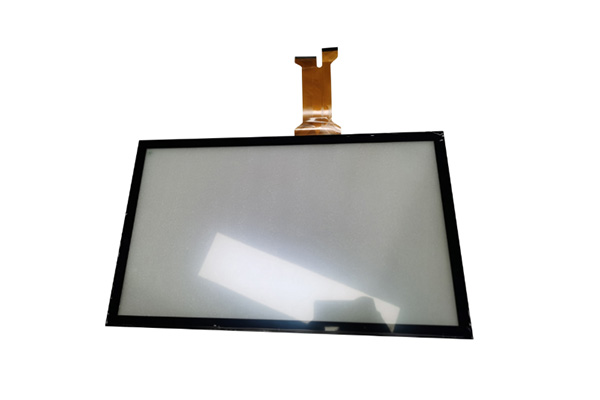
Selecting the right hardware for challenging environments requires a careful balance of high-luminance backlighting, ingress protection, and advanced thermal management to ensure operational longevity. Standard displays often fail within weeks of outdoor deployment due to solar radiation causing “black-out” thermal failure or moisture ingress leading to catastrophic short-circuits. For B2B operators, a failed kiosk represents a direct hit to ROI and brand reputation, costing twice as much to replace as the initial investment. Investing in a purpose-built Outdoor Waterproof and Sunproof Touchscreen provides the strategic foundation needed to maintain continuous uptime in even the most demanding climates.
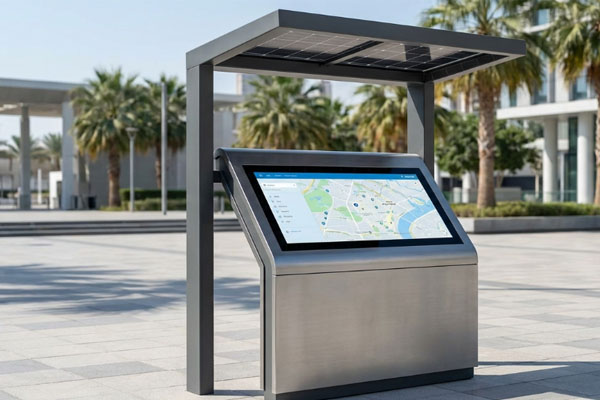
Why is high brightness vital for sunlight visibility?
High brightness, measured in nits, is the primary factor that allows a screen to remain legible when competing with the intensity of direct solar radiation. An effective Outdoor Waterproof and Sunproof Touchscreen typically requires a luminance level between 1,500 and 2,500 nits to prevent the display from appearing washed out or completely black. Choosing the right custom waterproof touchscreen solution involves matching your specific ambient light conditions to the appropriate backlight strength.
Understanding Nit Levels
Think about it: an office monitor at 300 nits is invisible outdoors, but an industrial-grade panel cuts through the glare effortlessly. You need to ensure your hardware choice matches the peak solar hours of your installation site.
- Standard Outdoor: 1,500 Nits for shaded areas.
- Full Sunlight: 2,000 to 2,500 Nits for direct exposure.
- High Contrast: Enhances readability without over-driving the backlight.
Key Takeaway: High nit levels are non-negotiable for outdoor visibility, ensuring your user interface remains clear and professional during the brightest parts of the day.
| Visibility Feature | Specification | User Benefit |
|---|---|---|
| Luminance | 1,500 – 2,500 Nits | Overcomes direct solar glare |
| Coating | Anti-Reflective (AR) | Minimizes mirror-like surface reflections |
| Contrast | 1000:1 or higher | Ensures sharp text and vivid imagery |
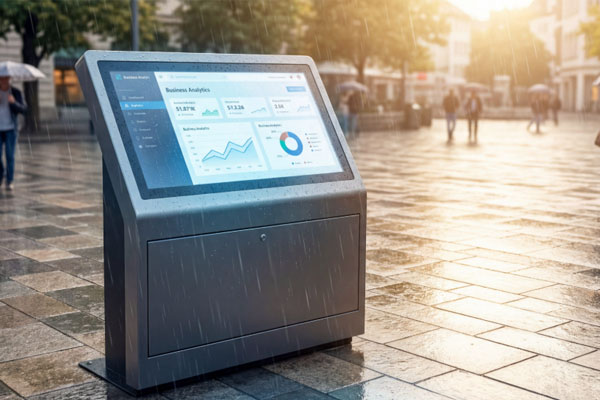
How does an IP rating ensure waterproof protection?
The Ingress Protection (IP) rating provides a standardized measurement of how well the internal electronics are sealed against water, dust, and environmental debris. For an Outdoor Waterproof and Sunproof Touchscreen, an IP65 rating is generally considered the minimum requirement for rain-exposed kiosks. You must evaluate the potential for heavy spray or flooding to determine if a higher rating like IP67 is necessary for your specific project.
IP65 vs IP67 Protection
Here is the kicker: while IP65 handles rain and low-pressure water jets, IP67 allows the unit to survive temporary submersion. This distinction is vital if your equipment is located in a flood-prone zone or requires high-pressure cleaning.
- IP65: Protects against dust and low-pressure water from any angle.
- IP66: Resistant to high-pressure water jets for more intense cleaning.
- IP67: Offers protection against dust and water immersion up to one meter.
Key Takeaway: Selecting the correct IP rating based on your cleaning protocols and local weather patterns prevents moisture from ever reaching sensitive internal components.
| Rating | Protection Level | Ideal Use Case |
|---|---|---|
| IP65 | Rain / Low-pressure spray | Standard outdoor information kiosks |
| IP66 | Powerful water jets | Coastal areas or industrial wash-down zones |
| IP67 | Brief submersion | Flood-prone urban areas or heavy pooling sites |
Does optical bonding improve sunproof performance?
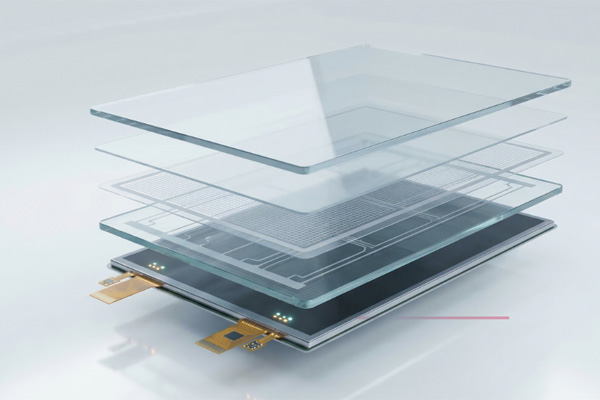
Optical bonding significantly enhances visibility by eliminating the air gap between the LCD panel and the cover glass to reduce internal reflections. This technology is a cornerstone of a high-quality Outdoor Waterproof and Sunproof Touchscreen because it increases contrast by up to 400% in bright light. By choosing a sunlight readable touch monitor with this feature, you also prevent internal condensation from forming during temperature shifts.
Eliminating Internal Reflections
Believe it or not, the air gap in traditional screens acts like a mirror, reflecting light back at the user and obscuring the display. Optical bonding uses a clear resin to fill this gap, making the screen look as if it were a single piece of glass.
- Contrast Enhancement: Dramatically improves clarity in direct sun.
- Durability: Resin acts as a shock absorber for the LCD.
- Anti-Fogging: Eliminates internal moisture and “clouding” effects.
Key Takeaway: Optical bonding is a premium feature that pays for itself by providing superior clarity and protecting the display from humidity and physical shock.
| Bonding Type | Reflection Rate | Visual Quality |
|---|---|---|
| Air Bonding | ~13.5% | Poor contrast; prone to internal fogging |
| Optical Bonding | ~0.2% | Excellent contrast; no internal condensation |
| Gel Fill | ~0.5% | Good contrast; difficult to repair |
Can wide temperature components prevent system failure?
Industrial-grade wide temperature components allow your hardware to operate reliably in extreme conditions where consumer-grade electronics would quickly overheat or freeze. An Outdoor Waterproof and Sunproof Touchscreen must handle internal temperatures that can rise 20°C above the ambient air due to solar loading. You should verify that your supplier uses panels rated for at least -30°C to +80°C to ensure 24/7 operation throughout the seasons.
Industrial-Grade Stability
You see, consumer screens use adhesives and plastics that can warp or melt when exposed to high summer heat. Industrial components are built with higher thermal tolerances and solid capacitors that won’t fail during a heatwave.
- LCD Panel: Designed to prevent “isotropic failure” (black spots).
- Solid Capacitors: Increases the mean time between failures (MTBF).
- UV-Stable Adhesives: Prevents the layers from separating in the sun.
Key Takeaway: Prioritizing industrial-grade thermal specifications eliminates the need for expensive active cooling systems and reduces the risk of seasonal hardware crashes.
| Component | Standard Range | Industrial Range | Benefit |
|---|---|---|---|
| LCD Panel | 0°C to 50°C | -30°C to 80°C | Prevents thermal black-out |
| Motherboard | Commercial | Wide-Temp Industrial | Stable performance in extreme cold/heat |
| Power Supply | Indoor Grade | Ruggedized Outdoor | Continuous power delivery in any weather |
Which touch technology remains reliable in the rain?
Projected Capacitive (PCAP) touch technology is the industry standard for outdoor applications because it can be tuned to ignore water droplets while maintaining sensitivity for gloved hands. When selecting an Outdoor Waterproof and Sunproof Touchscreen, you must ensure the controller firmware is optimized for wet-weather environments. Partnering with an experienced custom touchscreen manufacturer allows you to customize these settings for your specific user demographic.
PCAP Controller Tuning
Here is the deal: standard touchscreens often register rain as “ghost touches,” which can frustrate users and break your application logic. Advanced controllers use algorithms to distinguish between the static signal of water and the dynamic touch of a finger.
- Water Rejection: Prevents accidental inputs during rainstorms.
- Glove Support: Allows operation with winter or industrial gloves.
- Thick Glass Support: Maintains sensitivity through 6mm+ of vandal-resistant glass.
Key Takeaway: PCAP technology provides the most modern and resilient user experience, provided the firmware is correctly tuned for outdoor environmental challenges.
| Touch Type | Rain Performance | User Sensitivity | Reliability |
|---|---|---|---|
| PCAP | Excellent (with tuning) | High / Smartphone-like | Very High |
| Infrared | Poor (Solar interference) | Low | Low |
| Resistive | Moderate | Requires pressure | Moderate |
Is glass durability critical for vandalism prevention?
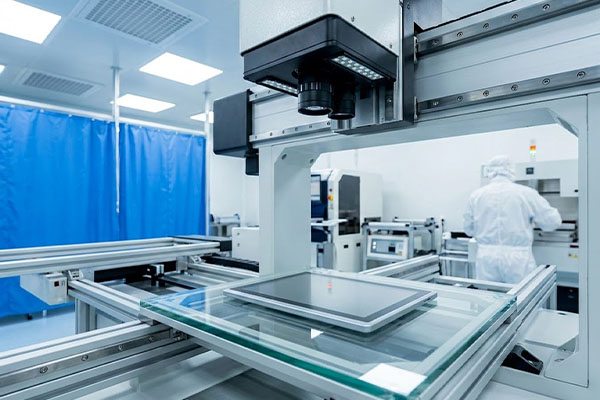
In unsupervised public environments, your display glass needs to withstand both accidental impact and intentional vandalism to keep the kiosk operational. An Outdoor Waterproof and Sunproof Touchscreen should feature thermally toughened or chemically strengthened glass with an IK10 impact rating. You can rest easy knowing that your investment is protected by materials designed to absorb high energy impacts without shattering.
IK10 Impact Ratings
Think about it: a screen in a public park is a target for debris or vandalism. An IK10 rating proves the glass can withstand a 20-joule impact, which is equivalent to a 5kg weight dropped from 40cm.
- Toughened Glass: Significantly stronger than standard float glass.
- Laminated Layers: Holds glass shards together if a break does occur.
- Scratch Resistance: Maintains a professional look even in high-traffic areas.
Key Takeaway: High IK ratings act as an essential insurance policy for your hardware, ensuring the unit stays functional even after a physical strike.
| Rating | Impact Energy | Typical Material |
|---|---|---|
| IK08 | 5 Joules | 4mm Tempered Glass |
| IK09 | 10 Joules | 5mm Tempered Glass |
| IK10 | 20 Joules | 6mm+ Laminated / Toughened |
How does UV protection stop screen yellowing?
Constant exposure to ultraviolet radiation can cause the polarizers and adhesives in a standard screen to degrade and turn yellow over time. To ensure your Outdoor Waterproof and Sunproof Touchscreen maintains its color accuracy, you need a display with integrated UV-cut filters. Selecting an IP67 waterproof touchscreen with UV protection ensures the panel remains clear and vibrant for years, rather than months.
Protecting Internal Polarizers
You might be surprised to learn that UV light doesn’t just affect the exterior; it can penetrate the glass and damage the liquid crystal layer itself. UV-blocking coatings or films are essential to stop the hardware from looking neglected and old after its first summer.
- UV-Cut Film: Blocks 99% of harmful rays up to 400nm.
- Color Stability: Prevents whites from turning yellow or brown.
- Longevity: Extends the life of the optical bonding resin.
Key Takeaway: UV protection is a critical requirement for maintaining the visual integrity and professional appearance of any screen exposed to direct sunlight.
| Degradation | Cause | Protective Solution |
|---|---|---|
| Yellowing | UV breakdown of adhesives | UV-stable optical resin |
| Haze | Moisture / Heat cycles | Optical bonding + UV films |
| Color Shift | Polarizer damage | Integrated UV-cut filters |
Should you prioritize intelligent dimming sensors?
Intelligent ambient light sensors automatically adjust your screen’s brightness to match the environment, significantly reducing energy consumption and extending backlight life. For an Outdoor Waterproof and Sunproof Touchscreen, running at full 2,500 nits during the night is unnecessary and can cause light pollution. You will find that auto-dimming technology also helps manage heat, as the LEDs generate less thermal energy when dimmed.
Efficiency and Longevity
Here is the kicker: running a high-brightness backlight at 100% all the time can lead to premature LED failure. By dimming the screen during cloudy days or at night, you can double the effective lifespan of the backlight.
- Energy Savings: Reduces power costs by up to 60%.
- Heat Reduction: Lowers internal temperatures during nighttime operation.
- User Comfort: Prevents the screen from blinding users in dark environments.
Key Takeaway: Ambient light sensors are a small investment that provides massive returns in energy efficiency and hardware longevity.
| Time of Day | Ambient Light | Backlight Setting | Power Usage |
|---|---|---|---|
| Noon | Direct Sun | 100% (2,500 Nits) | High |
| Overcast | Diffuse Light | 50% (1,250 Nits) | Medium |
| Midnight | Artificial Light | 10% (250 Nits) | Low |
What integration styles suit outdoor kiosk designs?
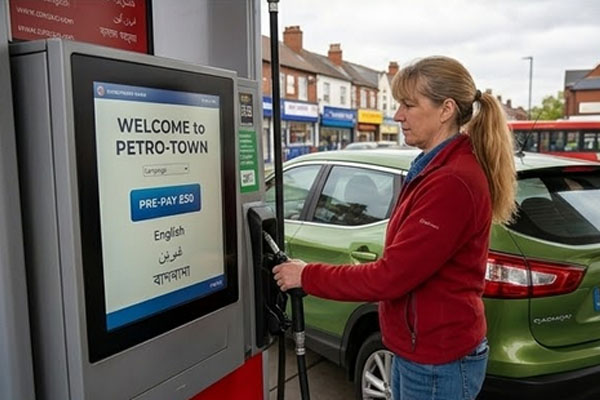
The choice between open-frame, chassis, or panel-mount integration depends on whether you are building a custom enclosure or mounting a standalone unit. An Outdoor Waterproof and Sunproof Touchscreen must be integrated in a way that maintains the integrity of the weather seal while allowing for easy maintenance. Choosing an outdoor laminated touchscreen designed for flush mounting can provide a sleek, modern aesthetic for your project.
Open Frame vs Chassis
Think about it: an open-frame model gives you the flexibility to design a custom bezel, while a chassis model provides a complete, sealed enclosure ready for wall mounting. Your decision should be based on the level of customization your project requires and your assembly capabilities.
- Open Frame: Ideal for custom ticketing kiosks and ATMs.
- Chassis Mount: Best for wall-mounted information points or digital signage.
- Flush Mount: Creates a seamless, easy-to-clean front surface.
Key Takeaway: Proper integration is just as important as the hardware itself; ensure your mounting style supports a perfect weather seal at every junction.
| Design Type | Mounting Method | Primary Benefit |
|---|---|---|
| Open Frame | Internal brackets | Seamless custom aesthetics |
| Chassis | VESA / Wall mount | Faster deployment; standalone |
| Panel Mount | Front-clamped | Excellent front-bezel sealing |
Why is long-term supplier support a B2B necessity?
In the B2B sector, you need a supplier that offers multi-year product availability and consistent “form, fit, and function” for future replacements. A high-quality Outdoor Waterproof and Sunproof Touchscreen should come with a comprehensive warranty and a guaranteed lifecycle of 5 to 7 years. You should avoid consumer-oriented suppliers who frequently change their product designs, making repairs and replacements a logistical nightmare.
Lifecycle Management
The reality is that B2B projects often have long deployment windows, and you cannot afford to redesign your kiosk every time a screen model is discontinued. A reliable partner manages the End-of-Life (EOL) process and provides compatible upgrades when necessary.
- Product Consistency: Ensures the same mechanical dimensions for years.
- Warranty Support: Minimum 3-year coverage for industrial deployments.
- Technical Guidance: Direct access to engineers for troubleshooting and tuning.
Key Takeaway: A strong relationship with an industrial manufacturer is the final safeguard that ensures your project remains viable and maintainable for its entire lifespan.
| Support Category | Minimum Standard | Impact on ROI |
|---|---|---|
| Product Lifecycle | 5 – 7 Years | Reduces redesign costs |
| Warranty | 3 Years | Lowers long-term maintenance risk |
| Customization | OEM / ODM Options | Ensures hardware fits exact project needs |
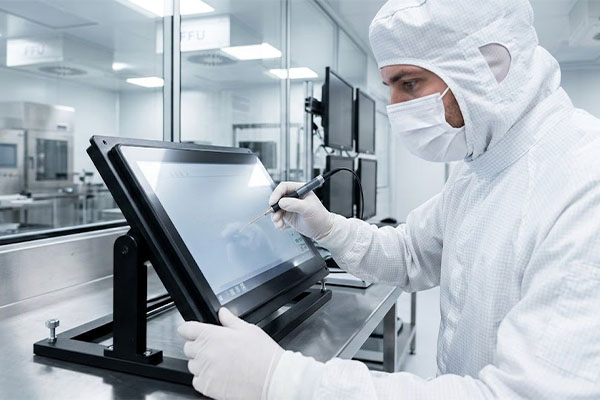
Selecting a display that can thrive in outdoor conditions requires moving beyond consumer-grade specifications to embrace high brightness, optical bonding, and industrial-grade thermal management. This guide has detailed how these technical features work together to prevent thermal failure, moisture damage, and poor visibility. By focusing on IP ratings, IK durability, and long-term supplier support, you can deploy hardware that delivers consistent value and professional performance.
Our vision is to provide the most reliable touch solutions for the world’s most challenging environments through innovative engineering and uncompromising quality. To secure your project’s success and discuss custom specifications, contact us today for a professional consultation.
Frequently Asked Questions
Can I use a standard high-brightness TV for an outdoor kiosk?No, because standard TVs lack the industrial-grade thermal management and UV protection required to survive solar loading. They will likely experience isotropic failure (black spots) or delamination within a few months of exposure.
What’s the best IP rating for a coastal installation with salt air?The best rating is IP66 combined with a 316-grade stainless steel or treated aluminum housing. This protects the internal electronics from wind-driven salt spray and corrosive moisture.
Can I operate these touchscreens while wearing thick winter gloves?Yes, if the PCAP controller is specifically tuned for glove sensitivity. You must specify this requirement during the ordering process so the firmware can be adjusted for your users.
What is the minimum brightness needed for a screen in a shaded outdoor area?The minimum brightness for a shaded area is generally 1,000 to 1,500 nits. This provides enough luminance to overcome ambient outdoor light without requiring the extreme power levels of direct-sun displays.
Can I customize the cover glass with my own company logo?Yes, many industrial manufacturers offer ceramic silk-screening for cover glass. This allows you to integrate your brand logo directly into the glass bezel for a professional and durable finish.