
Why Vehicle Navigation Places Stricter Demands on a Touch Screen
A screen that works perfectly in consumer electronics can quietly fail inside a moving vehicle. Three environmental realities make the difference between a reliable product and a costly return.
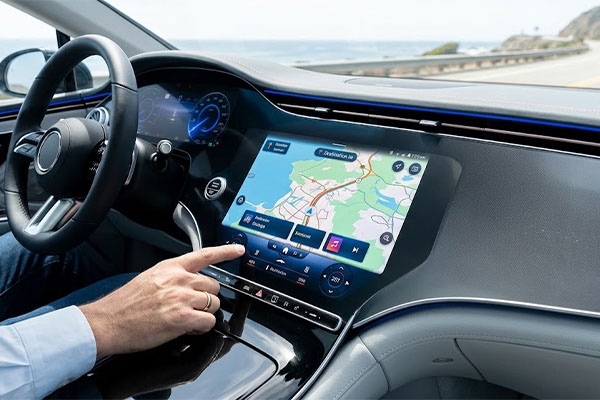
The In-Vehicle Environment Is Extreme
Dashboards can reach 80 °C in direct sunlight. Road vibration generates constant micro-stress on bonding layers and connectors. Humidity cycling and dust infiltration accelerate adhesive failure on panels that are not designed for these conditions. A navigation screen must be engineered for all of this — before the first delivery.
Long-Lit, Always-On Duty Cycle
Navigation screens are powered on for hours at a time, every day, often in direct sunlight. This demands a backlight designed for extended operation, a driver board tuned for thermal management, and touch sensitivity that does not drift under heat build-up. Consumer-grade panels are simply not built for this duty cycle.
One Failure Triggers a Full-System Return
When a navigation screen misbehaves in the field, the entire unit is typically returned — not just the display. Warranty cost, logistics burden, and brand reputation fall on your side of the table. Sourcing a touch screen engineered specifically for the application is not an option; it is risk management.
Ready to specify a screen that survives the road? Let's start with your application.
Discuss Your Vehicle Navigation RequirementsThe Problems That Appear After You've Already Committed to a Supplier
Most quality issues in vehicle navigation screens don't surface at the sample stage. They appear after mass production starts — or after the product reaches end customers. Here's what we hear most often, and how we address each root cause.
Sample Passed — Mass Production Drifted
Touch calibration that was accurate on the sample shifts on production units. You discover this at incoming inspection — or worse, in the field.
Our Approach
Same BOM throughout. We lock the component list at the sample confirmation stage and do not substitute parts in production.
Model Discontinued Mid-Project
You've designed your navigation unit around a specific screen size and interface — then the supplier EOLs the product without warning.
Our Approach
Project-based supply planning. We commit to long-term availability at the project kick-off, with documented review milestones.
Custom Requirements Got Lost in Translation
You specified a unique size or interface configuration. What arrived was close — but not the engineering fit you needed, and modifying it costs time.
Our Approach
Drawing-based confirmation before production begins. Every custom detail is reviewed and approved in a shared engineering document.
Slow After-Sales Response Delays Your Delivery
A field issue surfaces. Your supplier goes quiet for days while your customer waits. Each day of delay compounds cost — in parts, in credibility, in relationships.
Our Approach
Dedicated project contact — factory-side, not a trading intermediary. Direct access means faster diagnosis and faster resolution.
Tell us your current supplier pain point — we'll show you how we prevent it structurally.
Get a Risk-Free Supply AssessmentThe Six Specifications That Actually Matter for Vehicle Navigation
Spec sheets list numbers. What engineers need to know is why each parameter matters inside a moving vehicle — and what happens when it is compromised.
High Brightness & Sunlight Visibility
Navigation screens in direct sunlight must exceed 700 nits to remain readable without driver strain. Below this threshold, drivers compensate by leaning forward or reducing speed — both safety risks and UX failures.
Anti-Vibration Structural Bonding
Road vibration at 10–50 Hz creates repetitive micro-shear forces on adhesive bonds between cover glass and panel. We use fully laminated bonding rather than air-gap assembly to eliminate delamination failure under continuous vibration.
Touch Signal Stability Under EMI
Vehicle environments are electrically noisy. Motor drive interference and power line ripple can cause ghost touches or missed inputs on poorly shielded panels. Our touch controllers include EMI-optimised firmware for stable performance in automotive signal environments.
Precise Touch Accuracy at Scale
Navigation icons are small. A ±1 mm touch error is tolerable on a 10-inch tablet; it is a critical miss on a 5-inch navigation interface at highway speed. We test positional accuracy across the full active area before shipment.
Wide Operating Temperature Range
From cold-start at −20 °C in northern climates to full-sun operation at 80 °C surface temperature — the screen must respond without image ghosting, backlight flicker, or touch non-response. Materials selection and backlight driver design both determine this range.
Long-Term Operational Stability
Backlight dimming, colour shift, and touch sensitivity decay are expected failure modes after 20,000+ hours of operation — but only if the components are consumer-grade. We specify extended-life backlight arrays and drive them at conservative current levels to push the functional lifespan well beyond warranty periods.
Need these specs matched to your exact application? Our engineering team will review your requirements directly.
Request a Technical Specification ReviewPurpose-Built Touch Solutions for Every Vehicle Navigation Application
We do not sell a general-purpose touch screen and call it "automotive-grade." Every solution we provide is engineered from the application outward — starting with where and how the screen is used, not with what we have in stock.
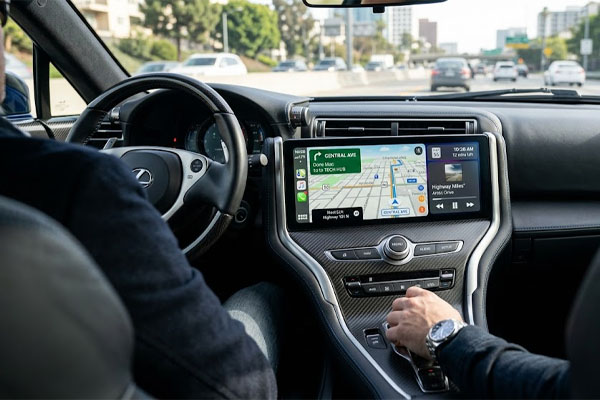
OEM Vehicle Navigation Systems
Integrated into the factory-installed infotainment system, full structural customisation available.
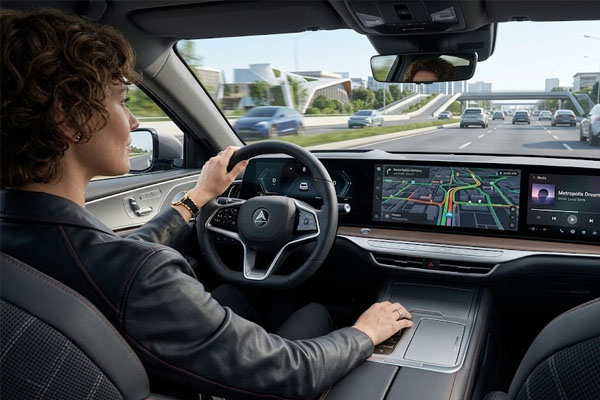
Aftermarket Navigation Units
Drop-in replacement and upgrade screens for the aftermarket channel, size and interface matched.
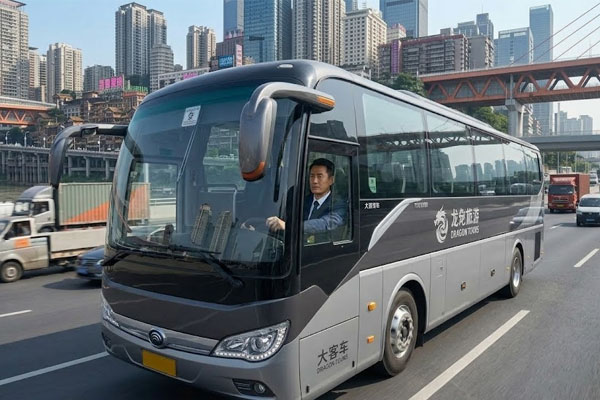
Fleet & Commercial Vehicles
Heavy-duty panels built for trucks, buses, and logistics vehicles that operate continuously.
What We Provide
Touch Screen Panel
Capacitive touch screen engineered for vehicle environments — brightness, bonding, and signal stability all specified for automotive duty.
Touch Display Module
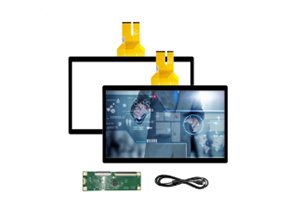
Pre-integrated display and touch assembly — panel, backlight, driver board, and touch controller combined into a single, ready-to-install module.
Customised Structure & Interface
Non-standard sizes, mounting frames, interface connectors, and cover glass configurations — designed to fit your mechanical and electrical architecture.
Not sure which solution type fits your project? Share the application — we'll advise on the most efficient path forward.
Speak to a Vehicle Navigation SpecialistWhy "Off-the-Shelf" Rarely Works in Vehicle Navigation
Every navigation platform has a unique housing, interface protocol, and brand requirement. Standard panels are designed to none of them. Here are the three structural reasons why customisation is built into the product development process — not an optional upgrade.
Every Vehicle Platform Has a Different Structure
OEM and aftermarket navigation units each define their own dashboard opening, mounting flange geometry, and thermal pathway. A standard-size panel rarely fits without mechanical rework — and rework at the buyer's end transfers cost and risk to you. A screen sized and structured to the housing eliminates this entirely.
How We Handle It
Size and structural customisation from drawing — we match your housing geometry, not the other way around.
Interface Protocols Vary Across System Integrators
MIPI, LVDS, eDP, UART — system integrators choose the interface that fits their processor platform, not the one a screen manufacturer happens to offer. A mismatch requires an adapter board that adds failure points, cost, and latency. Matching the interface at the screen level is always the better solution.
How We Handle It
Interface-level matching confirmed at the sample stage, with validated pinout documentation shared before production begins.
Brand Identity Extends to the Display Surface
The cover glass edge, bezel finish, and logo position are visible to every end user. Brands that invest in the vehicle interior experience cannot accept a generic-looking panel edge. Custom cover glass shape, silk-screen printing, and surface treatment are not luxury items — they are table stakes for branded navigation products.
How We Handle It
Appearance and branding customisation including silk printing, logo placement, and custom cover glass shape — handled within the same production run.
Have a non-standard requirement? Describe your application and we'll tell you exactly what is achievable.
Discuss Your Custom Navigation DisplayFive Dimensions of Customisation — Specific to Vehicle Navigation
Customisation is only useful when it is controlled. Below are the five areas where we have established vehicle navigation-specific processes — not general capabilities applied without context.
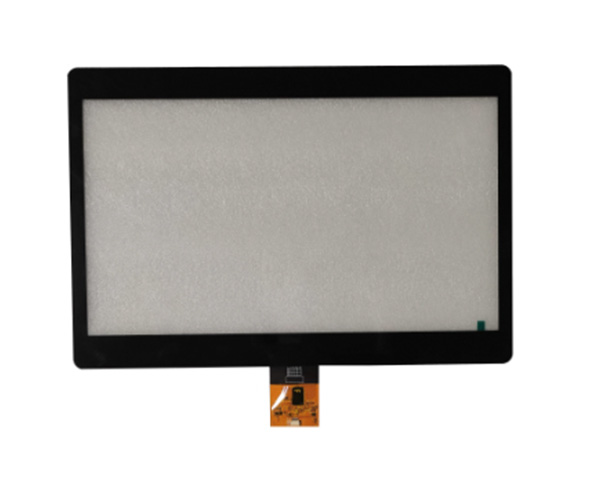
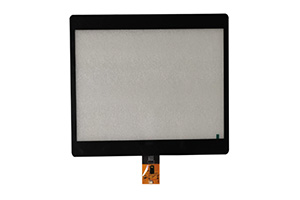
Screen Size & Aspect Ratio
From compact 4.3-inch cluster displays to wide 10.1-inch center-stack units — we produce to your specified dimensions rather than forcing a compromise to nearest standard size. Custom aspect ratios for wide-format dashboards are supported.
Cover Lens Design
Cover glass shape, edge chamfer, corner radius, and surface hardness are all specifiable. Anti-glare coating reduces reflective glare in sunlit cabin environments; anti-fingerprint coating maintains readability on touch-heavy navigation interfaces.
Interface Options
MIPI DSI, LVDS, RGB, eDP, and I²C/UART for touch — we match the electrical interface to your system board, with connector position and cable length specified to your mechanical envelope. No adapter boards, no signal conversion penalty.
Brightness Tuning
Backlight brightness is tuned to the ambient light conditions of your target vehicle category. Fleet trucks and outdoor vehicles require higher brightness than interior passenger cars. We set backlight current and PWM parameters during the design phase — not as a post-production workaround.
Logo & Silk Printing
Brand logo, model designation, and regulatory markings silk-printed directly onto the cover glass. Ink colour, position, and font matched to your brand standards. Consistent across the entire production batch — not just the sample.

Share your drawing or specification sheet — we'll confirm feasibility within one business day.
Submit Your Custom RequirementsWhy Samples Are Easy and Mass Production Is Where Problems Happen
Most quality failures in vehicle navigation screens are not design errors — they are process errors that appear when volume scales. Understanding this distinction is how experienced buyers evaluate suppliers before committing to production.
The Real Risk Isn't the Sample Stage
Sample production is inherently controlled. Engineers handle components carefully, assemble manually, and review every unit individually. The result looks excellent — which is exactly what it is designed to do.
Mass production introduces variation: component lot changes, assembly line speed, different operators, batch-to-batch material tolerances. Without formal controls, each of these variables silently erodes the quality you approved at the sample stage. The degradation rarely appears in a single unit — it surfaces statistically, after tens of thousands of units have shipped.
The right question to ask any supplier is not "Can you make a good sample?" — it is "What prevents the production BOM from drifting from the sample BOM?"
Our Consistency Control Points
BOM Lock at Sample Confirmation
Every component on the approved sample — panel supplier, touch IC, backlight module, adhesive — is documented and frozen. No substitutions enter production without re-approval.
Incoming Component Inspection
Every component batch is tested against the approved specification before entering the assembly line. Out-of-spec material is quarantined immediately — it does not reach production.
In-Process Quality Gates
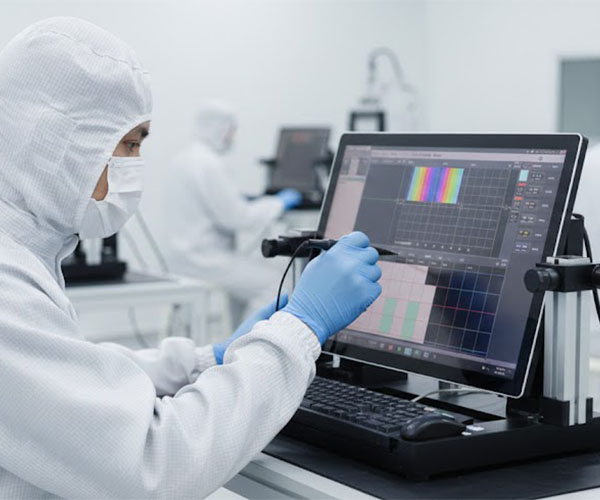
Bonding pressure, curing temperature, and touch calibration are monitored at defined intervals during production — not just at the end. Deviations are caught before they compound into a batch defect.
100% Functional Testing Before Shipment
Every unit is powered on, touch-tested across the full active area, and brightness-verified before packaging. No statistical sampling shortcut on outgoing inspection.
Batch Traceability Records
Each production batch is logged with component lot numbers, process parameters, and test results. If a field issue arises, we trace it to source within hours — not weeks.
Want to review our QC process before placing your first order? We'll share the documentation directly.
Request Our Quality Control OverviewFrom First Sample to Long-Term Supply — We Support Every Stage
New supplier evaluation should not require a large upfront commitment. We structure our cooperation to reduce your entry risk at each stage — so the decision to scale is based on verified performance, not promises.
Sample Support
Custom samples produced against your drawing or reference unit. You receive an exact functional representation of the production unit — not a standard proxy. Engineering documentation included with every sample shipment.
Small Trial Orders
Trial production runs accepted to verify mass-production quality before full-volume commitment. Minimum quantities are structured to be realistic for project-stage validation — not to inflate our revenue at your risk.
Project-Based Cooperation
For defined vehicle navigation projects, we assign a dedicated contact who tracks your development milestones and production schedule. Your project does not get lost in a general customer service queue.
Long-Term Supply Planning
We document supply commitments at the project kick-off: production availability, component lifecycle tracking, and end-of-life notification lead times. You know your supply chain status at every point in the product lifecycle.
Ready to start with a sample? Tell us your screen size and application — we'll prepare a quote within 24 hours.
Request a Sample for Your ProjectA Real Manufacturing Factory — Built for Vehicle-Grade Touch Screens
We are not a trading company placing orders on your behalf. We are the factory — with dedicated production lines, in-house engineering, and a QC team that owns every unit from component intake to shipment. When you work with us, you have direct access to the people and process behind the product.
Contact the Factory DirectlyFrom Component Intake to Shipment — How Every Screen Is Controlled
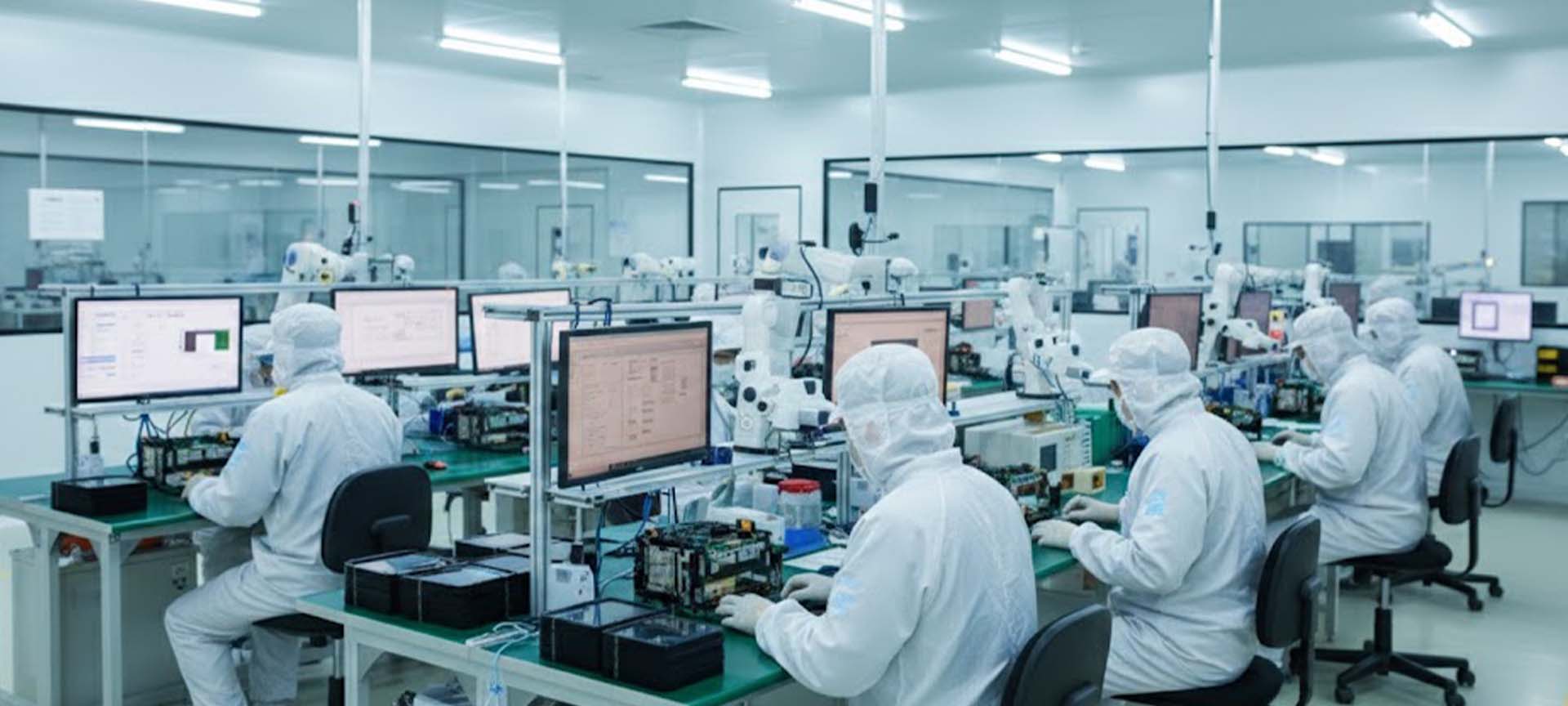
Quality for vehicle navigation screens cannot be checked at the end of the line. It is built into every stage of production. Here is how each unit moves from incoming components to your dock.
Production
Panel assembly, lamination bonding, and driver board integration are performed on dedicated vehicle-grade production lines. Process parameters — bonding pressure, curing time, temperature — are monitored at every station and logged per batch. Component substitutions from the approved BOM require formal re-validation before they reach the line.

Inspection
Every finished unit is powered on and subjected to 100% functional testing: touch accuracy across the full active area, brightness measurement, signal stability, and visual inspection for bonding defects and display uniformity. No sampling shortcuts — each unit passes or is quarantined before it moves to packaging.
Packaging
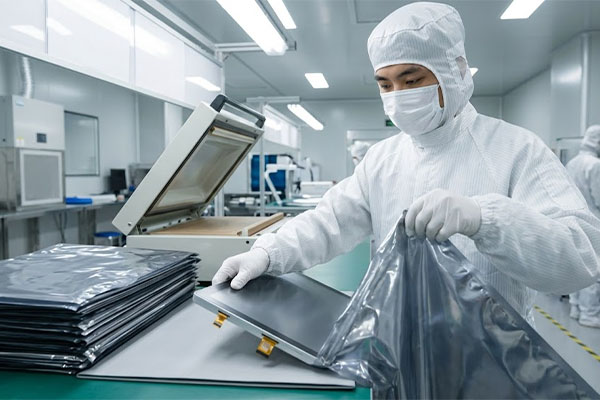
Screens are individually sleeved in anti-static film, placed in custom foam inserts, and packed in corrugated outer boxes rated for the vibration and shock loads typical of international air and sea freight. Batch traceability labels are applied at this stage — linking each carton to its production record.
Shipment
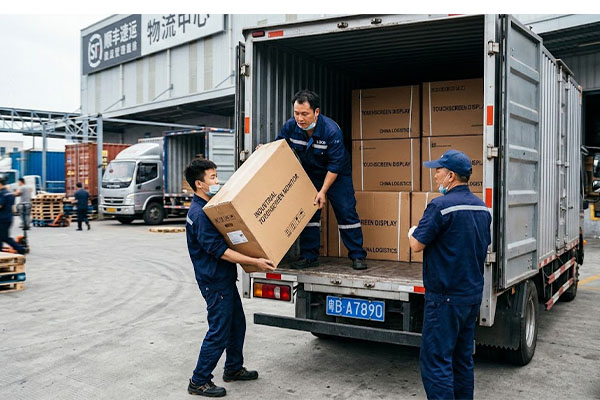
Export documentation — commercial invoice, packing list, COO, and test reports — is prepared for every shipment. We coordinate with freight forwarders familiar with electronics export to the US, Japan, and Southeast Asia. Tracking information is shared proactively so your receiving team can plan accordingly.
Want to see our production process documentation before committing to an order? We'll share it directly.
Request Our Production Process OverviewThe Buyer Types and Scenarios Where Our Screens Are in Use
We do not name clients without permission — but we can describe the application profiles and cooperation patterns that represent our active vehicle navigation supply relationships.
OEM Navigation Platform Developer
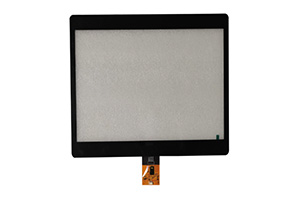
A hardware system integrator developing a branded in-dash navigation platform required a custom 7-inch capacitive screen with a specific LVDS interface and a high-brightness backlight for sunlight visibility. We supplied development samples within 10 days, confirmed the BOM, and have maintained a stable monthly supply relationship for over two years.
Commercial Fleet Navigation Hardware Supplier
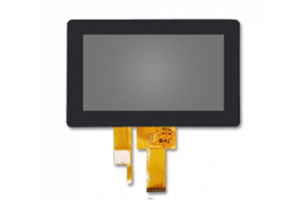
A fleet management hardware company needed a ruggedised 5-inch touch display for a truck-mounted navigation terminal. Key requirements included wide operating temperature range, glove-touch sensitivity, and a sealed cover glass to IP54. We built to their structural drawing and have supplied quarterly production batches for their rolling vehicle integration programme.
Aftermarket Navigation Unit Manufacturer
An aftermarket navigation brand expanding its product line required a 9-inch touch display module with a custom cover glass shape and logo silk print to match their industrial design. We produced a branded sample within 15 days, passed their internal validation, and now supply their annual production run with consistent batch quality across multiple SKUs.
Your application will have its own requirements. Let us show you how we've handled similar ones.
Discuss Your Project ProfileQuestions We Hear Before a First Order
Honest answers to the questions that matter most to procurement teams evaluating a new touch screen supplier for vehicle navigation applications.
We are a manufacturing factory. We have our own production lines, process engineers, and quality control team on-site. There is no intermediary between your order and the manufacturing process. This means we can discuss engineering details directly, make structural modifications without a third-party approval chain, and respond to quality issues at the source — not through a middleman who has to ask the factory first.
Yes — custom designs are a core part of our business, not an edge case. We support customisation across screen size and aspect ratio, cover glass shape and finish, electrical interface, backlight brightness, and surface printing. We work from your mechanical drawing or reference unit, confirm engineering feasibility before sampling, and produce a drawing-confirmed sample for your approval before production begins.
We freeze the BOM at the sample confirmation stage and do not substitute components without buyer re-approval. Incoming material is inspected against the approved specification before entering the line. Assembly process parameters are monitored continuously, and every unit is functionally tested before packaging. If you want to review our QC documentation before placing an order, we will share it — it exists as a real working document, not a marketing brochure.
Yes. We accept small trial production runs specifically to allow buyers to verify mass-production quality before committing to full volume. Minimum quantities are set to be practical for validation purposes rather than to maximise our revenue. The trial run is produced under the same process controls and BOM as the full production run — there is no special handling that would make the trial unrepresentative.
Our primary export markets for vehicle navigation touch screens are North America (US and Canada), Japan, and Southeast Asia (Singapore, Vietnam, Thailand, Malaysia). We have established freight routes, export documentation processes, and experience with the compliance requirements — CE, RoHS, and regional certifications — that apply in each of these markets. If your market is not on this list, ask us directly; we evaluate new markets on a project basis.
For standard configurations already in production, lead time is typically 15–20 working days from confirmed order. For custom configurations entering production for the first time, we quote a project-specific timeline after confirming the drawing and engineering requirements — usually 25–35 working days for the first production run. Subsequent orders benefit from reduced setup time. We communicate production status proactively and do not wait for you to chase us for updates.
Have a question that isn't covered here? Ask us directly — we respond within one business day.
Send Us Your Question
Get a Stable Touch Screen Solution
Built for Your Vehicle Navigation Project
You are not looking for a generic quote — you need an engineered solution with a reliable supply chain behind it. Share your application details and we will respond with a specific proposal: confirmed specifications, realistic lead times, and a direct engineering contact on our side.
Tell Us About Your Vehicle Navigation Project
The more context you share, the more specific our response will be. We review every enquiry and reply within one business day.
Direct Factory Contact
You are writing directly to our factory — not to a sales intermediary. Your enquiry goes to the team that will handle engineering, sampling, and production.
WhatsApp / WeChat
+86 135 2766 9798
Factory Location
Dongguan, Guangdong, China
10+
Years in Touch Screen Manufacturing
500+
Custom Projects Completed
Response within 1 business day.
For urgent enquiries, reach us directly via WhatsApp for a faster reply.
Send Your Project Details
Fields marked * are required. The more detail you share, the faster we can give you a useful response.
Enquiry Received
Thank you — your project details have been sent directly to our factory team.
We will review and respond within one business day.
For faster communication, reach us on WhatsApp: +86 135 2766 9798