
Why "Touch Screen Solutions" Must Be Selected as Complete Solutions
We don't sell products. We eliminate project risks through engineered solutions.
Touch Screens Are Not Standard Components
Every application environment demands different performance characteristics. Medical devices require antimicrobial surfaces and precise touch response. Industrial equipment needs resistance to oils, chemicals, and extreme temperatures. Transportation systems must withstand constant vibration and varying light conditions. A standard product approach fails when your project has specific requirements.
Stability Requirements Vary Drastically by Industry
A gaming machine can tolerate occasional recalibration. A medical device cannot. An ATM must function flawlessly for years without maintenance. Industrial control panels face 24/7 operation in harsh conditions. Your industry's tolerance for failure determines the engineering approach, component selection, and quality control measures. One-size-fits-all doesn't exist in professional touch screen applications.
Failure Costs Far Exceed Procurement Savings
Saving $2 per unit seems attractive until you calculate the real costs. A batch inconsistency discovered during production halts your assembly line. Your team scrambles to find alternatives while customers wait. Rework costs multiply. Delivery schedules slip. Your reputation takes the hit, not your supplier's. The cheapest quote often becomes the most expensive mistake.
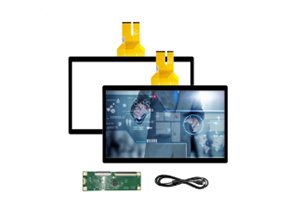
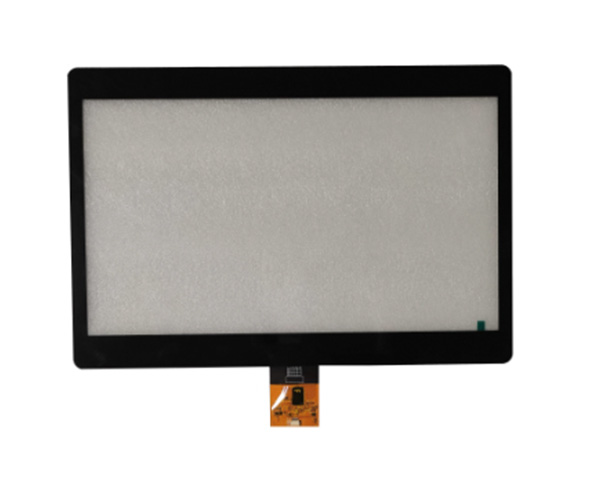
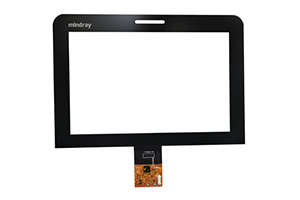
Ready to eliminate project risks from your touch screen procurement?
Discuss Your Project RequirementsYou've Definitely Experienced This
These aren't hypothetical scenarios. They're real problems that destroy projects and damage reputations.
"They claimed to be a factory, but they're actually a trading company. When problems occurred, they couldn't solve anything—just blamed the real manufacturer."
The Risk: No control over manufacturing. No ability to resolve technical issues. Your project becomes a negotiation between middlemen while your deadlines evaporate.
"Samples were perfect. Production batch completely failed. Different touch sensitivity, different optical clarity, even different dimensions."
The Risk: Your entire production run becomes worthless inventory. Testing protocols that worked on samples don't catch the variations. Quality issues surface after you've committed to the order.
"Every customization request turned into a week of back-and-forth messages. They didn't understand our technical requirements, and we wasted time explaining basic engineering concepts."
The Risk: Miscommunication leads to wrong specifications. You discover problems after tooling is made. Delays cascade through your entire project timeline.
"After-sales support was non-existent. When issues appeared in the field, they stopped responding to emails. Our customers were furious, and we had no backup plan."
The Risk: Field failures damage your brand reputation. You're left managing angry customers with no supplier support. A single project failure can cost you long-term client relationships.
These problems aren't random. They're the result of working with suppliers who lack manufacturing control.
Talk to a Manufacturing ExpertWhy These Problems Keep Happening in
Touch Screen Projects
It's not bad luck. It's the predictable result of working with the wrong type of supplier.
The Root Cause: Non-Manufacturing Suppliers
Many companies present themselves as manufacturers but operate as trading companies or sourcing agents. They have no control over the factory floor, no engineering team, and no ability to solve production problems.
The Result
When technical issues arise, they can only relay messages. Quality inconsistencies? They'll blame the factory. Design changes needed? You're negotiating through a middleman who doesn't understand the engineering. Your project depends on their relationship with a factory you've never seen.
The Root Cause: No Standardized Processes
Some suppliers operate project-by-project with no formal systems. Engineering changes aren't documented. Quality checks happen inconsistently. Production records are incomplete or nonexistent.
The Result
Batch-to-batch variations become inevitable. When you reorder, they can't replicate exactly what they made before. Your samples work, but production units vary. Quality issues emerge randomly because there's no systematic control preventing them.
The Root Cause: No Consistency Mechanisms
Without proper documentation, material controls, and process validation, every production run is essentially a new project. Component substitutions happen without notice. Process parameters drift. Testing protocols vary by operator.
The Result
You can't scale your business with confidence. Today's order might work perfectly. Next month's order might fail your acceptance testing. Long-term partnerships become impossible when you can't trust supply consistency. Your risk compounds with every order.
Understanding the root causes helps you ask the right questions when evaluating suppliers.
Get Our Supplier Evaluation ChecklistHow Yinghong Eliminates These Risks
Three capabilities that prevent the problems other suppliers create
Direct Factory Control
We own and operate our manufacturing facility. When you work with us, you work with the people who make your products. No middlemen. No communication gaps. Our engineering team designs your solution. Our production team builds it. Our quality team validates it. When problems occur—and they occasionally do—we solve them immediately because we control every step of the process.
Custom Engineering Capability
Standard products fail when your application has specific requirements. We don't push catalog items—we engineer solutions. Our team evaluates your mechanical constraints, electrical requirements, environmental conditions, and user interface needs. We modify designs, adjust materials, and optimize processes to match your specifications. Custom tooling, specialized coatings, unique sensor configurations—we handle complexity that catalog suppliers can't accommodate.
Batch Consistency Control
Your sample and your production order come from the same facility using the same processes. We document every specification in a formal BOM. Material suppliers are qualified and monitored. Production parameters are recorded and controlled. Testing protocols are standardized. When you reorder in six months or two years, we replicate exactly what we delivered initially. This isn't luck—it's systematic quality management that makes long-term partnerships possible.
Stop managing supplier risks. Work with a manufacturer who eliminates them.
Schedule a Factory TourSolution B: Long-Term OEM & Brand Partnerships
Building products that define your brand requires a manufacturing partner invested in your success. We engage from design through lifecycle support.
Design Stage Collaboration
Involving manufacturing early prevents costly redesigns later. Our engineering team reviews your initial concepts for manufacturability, suggests material optimizations, and identifies potential production challenges before you commit to tooling. This collaborative approach means your designs work beautifully in theory and scale reliably in production. Early engagement saves months of iteration and prevents expensive mistakes that surface only after volume production starts.
Batch Consistency Guarantee
Your first production run and your fiftieth production run deliver identical performance. We document every specification in controlled BOMs, qualify and monitor material suppliers, maintain process controls, and validate every batch against established standards. When your brand reputation depends on consistent product quality, you can't tolerate variation. Our systematic approach to batch control makes long-term supply relationships possible because you trust every shipment meets specifications.
Product Lifecycle Support
Products evolve. Markets change. Your manufacturing partner should adapt with you. We maintain production capability for your products over their complete lifecycle—from launch through maturity to eventual phase-out. Need design improvements? We engineering them without disrupting supply. Facing component obsolescence? We proactively identify alternatives and manage transitions. Supporting products for years requires commitment beyond transaction-based supplier relationships.
Stable Supply Commitment
Forecast-based production planning ensures we're ready when you need volume. Material buffer stocks prevent supply disruptions. Capacity allocation gives you priority during peak seasons. For long-term partners, we invest in the relationship—maintaining inventory, dedicating production lines, and planning around your growth. Stable supply isn't luck; it's the result of mutual commitment and professional supply chain management that treats your production needs as seriously as you do.
Building a brand requires a manufacturing partner who grows with you.
Discuss Long-Term PartnershipSolution B: Long-Term OEM & Brand Partnerships
Building products that define your brand requires a manufacturing partner invested in your success. We engage from design through lifecycle support.
Design Stage Collaboration
Involving manufacturing early prevents costly redesigns later. Our engineering team reviews your initial concepts for manufacturability, suggests material optimizations, and identifies potential production challenges before you commit to tooling. This collaborative approach means your designs work beautifully in theory and scale reliably in production. Early engagement saves months of iteration and prevents expensive mistakes that surface only after volume production starts.
Batch Consistency Guarantee
Your first production run and your fiftieth production run deliver identical performance. We document every specification in controlled BOMs, qualify and monitor material suppliers, maintain process controls, and validate every batch against established standards. When your brand reputation depends on consistent product quality, you can't tolerate variation. Our systematic approach to batch control makes long-term supply relationships possible because you trust every shipment meets specifications.
Product Lifecycle Support
Products evolve. Markets change. Your manufacturing partner should adapt with you. We maintain production capability for your products over their complete lifecycle—from launch through maturity to eventual phase-out. Need design improvements? We engineering them without disrupting supply. Facing component obsolescence? We proactively identify alternatives and manage transitions. Supporting products for years requires commitment beyond transaction-based supplier relationships.
Stable Supply Commitment
Forecast-based production planning ensures we're ready when you need volume. Material buffer stocks prevent supply disruptions. Capacity allocation gives you priority during peak seasons. For long-term partners, we invest in the relationship—maintaining inventory, dedicating production lines, and planning around your growth. Stable supply isn't luck; it's the result of mutual commitment and professional supply chain management that treats your production needs as seriously as you do.
Building a brand requires a manufacturing partner who grows with you.
Discuss Long-Term PartnershipFor Custom Touch Screens, Engineering Collaboration Matters More Than Price
The cheapest quote often becomes the most expensive mistake. Custom applications succeed or fail based on engineering alignment, not just procurement savings.
Technical Drawing Communication
Mechanical drawings contain critical information about tolerances, surface finishes, and assembly requirements. A supplier who doesn't understand your drawings will build the wrong product. We review drawings for manufacturability, flag potential issues, and confirm our interpretation matches your intent before starting production. Miscommunication at this stage wastes weeks and creates scrap.
Structural Integration
Touch screens don't operate in isolation—they mount into your product's mechanical structure. Mounting hole patterns, bezel dimensions, connector locations, and cable routing all require precise coordination. Our engineering team evaluates how the touch screen integrates with your housing, identifies potential interference issues, and optimizes the design for reliable assembly. Poor structural integration causes quality problems that appear only during your final assembly.
Interface Compatibility
Electrical interfaces—USB, I2C, SPI, or custom protocols—must match exactly. Controller firmware needs to communicate reliably with your system. We validate interface specifications, test signal integrity, and ensure our controller firmware works with your electronics. Interface mismatches discovered after tooling create expensive redesign loops. Getting this right requires detailed technical discussion, not just price negotiation.
Application Environment Adaptation
Operating temperature range, humidity exposure, chemical resistance, UV stability, and mechanical shock tolerance all affect material selection and design approach. Industrial environments demand different solutions than indoor consumer applications. Medical devices have different requirements than gaming machines. Our engineering evaluation considers your specific environment and adapts the design accordingly. Standard catalog products fail when environmental demands exceed their specifications.
Engineering collaboration prevents the costly mistakes that cheap quotes often hide.
Request Engineering ReviewHow We Transform "Customization" Into a
Controlled Process
Custom doesn't mean chaotic. Our systematic approach delivers tailored solutions with predictable outcomes and consistent quality.
Requirements Confirmation
We document your complete specifications—mechanical dimensions, electrical interfaces, environmental conditions, performance requirements, and quality expectations. This comprehensive requirements review prevents misunderstandings that surface later. You get a detailed specification document that becomes the foundation for engineering and production. Clear requirements eliminate the ambiguity that causes custom projects to fail.
Engineering Evaluation
Our technical team assesses manufacturability, identifies potential challenges, and proposes optimizations. We review material selections, validate process capability, and estimate realistic lead times. This evaluation catches problems before expensive tooling commitments. You receive an engineering report detailing our approach, flagging any concerns, and confirming we can deliver what you need. Honest engineering evaluation prevents over-promising and under-delivering.
Sample Production
We build functional samples that match your specifications exactly. These aren't approximations—they're produced using the same materials, processes, and tooling that will be used for production. Sample validation confirms our understanding is correct and your design works as intended. You test samples thoroughly before production commitment, catching any last issues while changes are still inexpensive. Good sampling prevents production surprises.
Testing & Validation
Systematic testing validates performance against specifications. We conduct functional testing, environmental simulation, and reliability screening. Test results are documented and shared transparently. Any deviations are identified and resolved before production approval. This validation phase ensures production units will perform identically to approved samples. Thorough testing eliminates the batch variation problems that plague custom projects.
Volume Production
Production runs follow documented procedures with in-process controls and final inspection. Every batch is validated against the master sample and specification. We maintain production records, monitor process parameters, and conduct regular quality audits. Volume production delivers consistent results because we've eliminated variables through systematic process control. Your confidence in supply quality comes from knowing our process is engineered for consistency.
Systematic processes turn custom requirements into repeatable manufacturing outcomes.
See Our Process in DetailSample to Production Consistency: What Actually Guarantees It
This is where most suppliers fail. Understanding how we maintain consistency explains why our production matches our samples.
Controlled Bill of Materials
Every component is specified by manufacturer part number, not generic description. We document exact materials—specific glass types, adhesive formulations, sensor models, cable specifications, and controller firmware versions. When you approve samples, we lock this BOM. Production uses identical materials from the same qualified suppliers. Generic BOMs like "touch sensor" or "ITO film" leave room for substitution that causes variation. Detailed BOMs prevent the material swaps that make production different from samples.
Process Documentation
Manufacturing processes are documented with specific parameters—lamination temperature and pressure curves, optical bonding procedures, cure times, and inspection criteria. Operators follow work instructions, not memory or habit. Process parameters are monitored and recorded. When production matches samples, it's because we're executing identical processes with identical parameters. Undocumented processes vary operator to operator and shift to shift. Documentation creates the repeatability that consistency requires.
Systematic Testing
Production testing follows the same protocols used for sample validation. Functional tests, optical inspections, and performance measurements use calibrated equipment with documented acceptance criteria. Test results are recorded and trended. Statistical process control identifies when production is drifting before it produces defects. Random inspection catches problems after they've created scrap. Systematic testing catches variations early and maintains the performance standards established during sampling.
Production Records
Every batch is documented—materials used, process parameters recorded, test results logged, and traceability maintained. When issues occur, we can trace exactly what happened and when. More importantly, these records let us replicate successful production exactly when you reorder months or years later. Suppliers without production records can't reliably reproduce what they made before. Our records ensure that today's production and next year's production are identical because we know exactly what we did.
Consistency isn't luck or good intentions—it's the result of systematic quality management.
Request Quality DocumentationWhy We Supply Long-Term Partnerships, Not
Just One-Off Orders
Reliable supply over years requires more than good intentions. It requires infrastructure, experience, and commitment that many suppliers lack.
Proven Export Track Record
We've exported touch screen solutions to North America, Europe, and Asia-Pacific markets since 2015. International customers require documentation, compliance, and communication standards that domestic-only suppliers can't meet. Our export experience means we understand your regulatory requirements, handle shipping logistics professionally, and communicate in your business language. Long-term international supply isn't something you improvise—it's built on years of doing it right.

Stable Customer Base
Our longest customer relationships span over 8 years. These aren't accidents—they're the result of consistent quality, reliable delivery, and responsive support. Customers don't stay with a supplier for nearly a decade unless that supplier performs. When you evaluate potential partners, ask about their oldest customer relationships. The answer reveals whether they build partnerships or just chase orders. Our retention rate speaks to our commitment to long-term success, not short-term transactions.
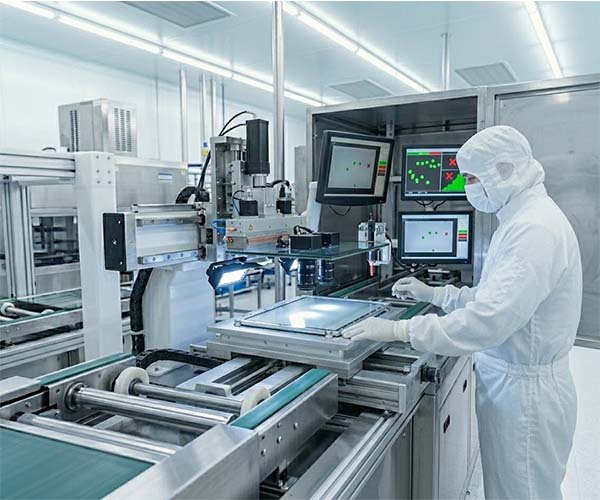
Owned Manufacturing Facility
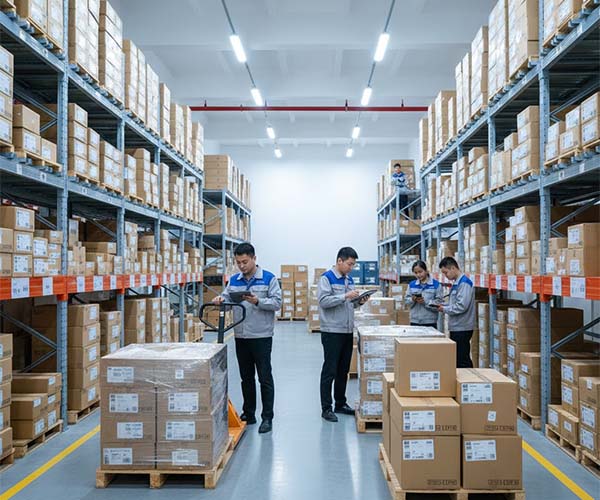
We own our production equipment and facility in Dongguan. This matters because capacity allocation, process improvements, and long-term investments require ownership, not rental arrangements or outsourced production. When market demand surges, we control our own capacity. When your product needs process optimization, we modify our equipment. Trading companies can't make these commitments because they don't control the assets. Factory ownership isn't just about credibility—it's about capability to support your growth.

Industry Presence & Verification
We exhibit at international trade shows including Touch Taiwan, Electronica, and regional industry events. These aren't marketing expenses—they're commitments to the industry and opportunities for customers to verify our capabilities in person. You can visit our booth, meet our engineering team, and see our latest developments. Trade show participation demonstrates we're invested in this business long-term. Companies planning to disappear don't invest in industry relationships and public presence year after year.
Long-term supply relationships require partners who are committed for the long haul, not just the next order.
Verify Our CredentialsFrequently Asked Questions
Direct answers to the questions customers actually ask when evaluating manufacturing partners.
Are you actually a factory or a trading company?
How does customization communication actually work?
How do you ensure samples and production batches are consistent?
What are the typical lead times for samples and production?
What international quality certifications do you hold?
Have specific questions about your project requirements?
Ask Our Engineering TeamStop Managing Supplier Risks.
Partner With a Manufacturer Who Eliminates Them.
Your project deserves a manufacturing partner with engineering capability, process control, and long-term commitment.
Direct factory control over quality and delivery
Engineering team that understands your application
Systematic processes that guarantee batch consistency
Discuss Your Project Requirements
Get an engineering evaluation and realistic timeline within 48 hours.