
Why Industrial Equipment Most Often Fails at the Touchscreen
Most industrial control failures don't start with the machine itself. They start with the interface operators rely on every day. Here's what goes wrong—and why it matters to your production line.
Touch Drift After Continuous Operation
24/7 operation exposes calibration issues invisible in testing. After thousands of hours, touch points shift—operators hit one area, the system registers another. Result: production delays and operator frustration.
False Triggers in Industrial Environments
Electrical noise, vibration, and temperature swings cause consumer-grade touchscreens to register phantom inputs or become unresponsive. In industrial settings, this isn't an inconvenience—it's a safety risk.
Sample Approved, Mass Production Unstable
The first 10 units work perfectly. Then batch production begins and performance varies. Without process control and component traceability, "approved samples" become meaningless—and you're left managing defect rates that shouldn't exist.
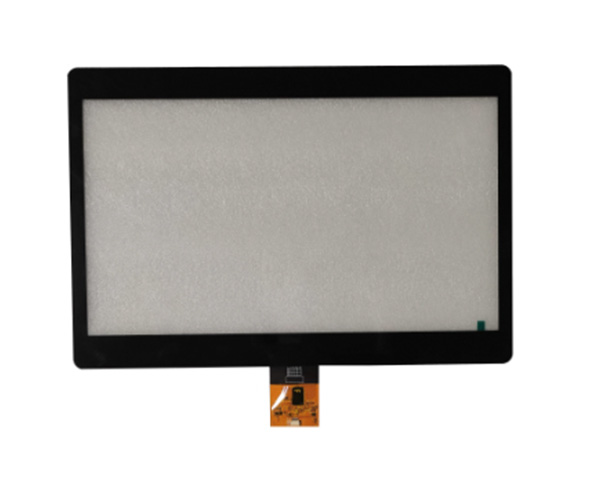
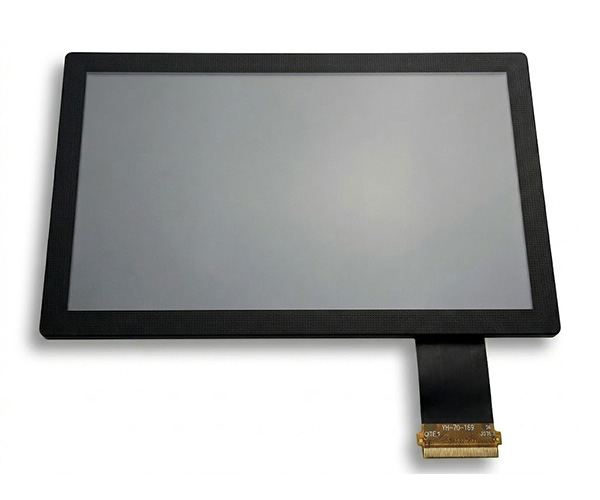
The core issue isn't specifications on a datasheet. It's long-term consistency under real industrial conditions—the one thing standard suppliers can't guarantee.
Stop accepting touchscreen failures as "normal wear." Let's discuss how industrial-grade consistency works.
Discuss Stability RequirementsIndustrial Control Touchscreen ≠ Consumer Touchscreen
Not all touch interfaces are designed for industrial use. Consumer devices prioritize responsiveness and clarity. Industrial control touchscreens are engineered for a completely different set of demands.
Continuous Operation
Designed for 24/7 uptime, not 8-hour shifts. Industrial touchscreens maintain calibration accuracy and response time even after 50,000+ operating hours, ensuring operators can rely on the interface at hour one and hour ten thousand.
Environmental Tolerance
Built to withstand temperature extremes, vibration, electromagnetic interference, and contamination—conditions where consumer screens fail within weeks. Industrial-grade means your control panel works in the same environment as your machinery.
Signal Stability
Every touch registers accurately, every time—no ghost inputs, no missed commands, no recalibration cycles. Industrial touchscreens maintain consistent electrical performance regardless of ambient conditions, eliminating the "it worked in testing" problem.
Lifecycle Support
Equipment runs for 10-15 years. Your touchscreen supplier should match that timeline. We maintain component availability and production capability for the full lifecycle of your machinery, so you're not redesigning control panels mid-production.
Typical Applications
Industrial touchscreens are engineering decisions, not purchasing decisions. Let's match requirements to capabilities.
Discuss Technical RequirementsWhere Industrial Control Touchscreens Make the Difference
Different equipment, same requirement: reliable human-machine interface under demanding conditions. If your operators depend on consistent touch response to control critical processes, these scenarios will sound familiar.
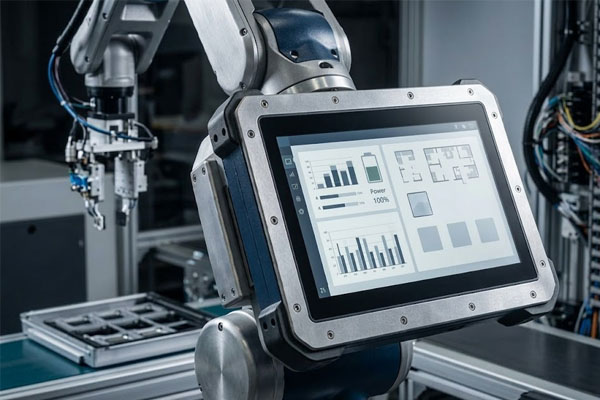
Automation Equipment
Robotic cells, pick-and-place systems, automated assembly lines—where touch interface failure means production stops. These systems run continuously and can't tolerate drift, false triggers, or recalibration downtime.
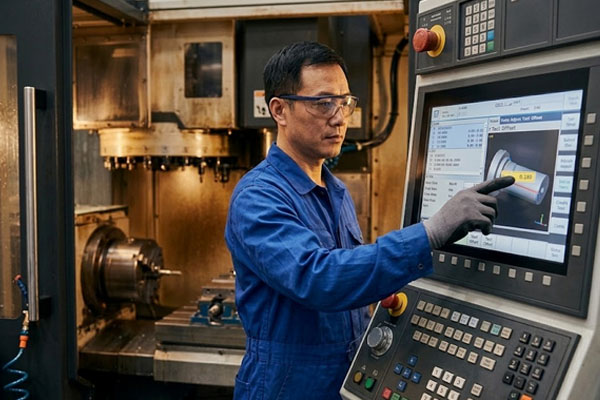
CNC & Control Panels
Precision machining centers, laser cutting systems, metalworking equipment—where operators need instant, accurate response to adjust parameters and monitor processes. Touchscreen reliability directly impacts part quality and machine utilization.
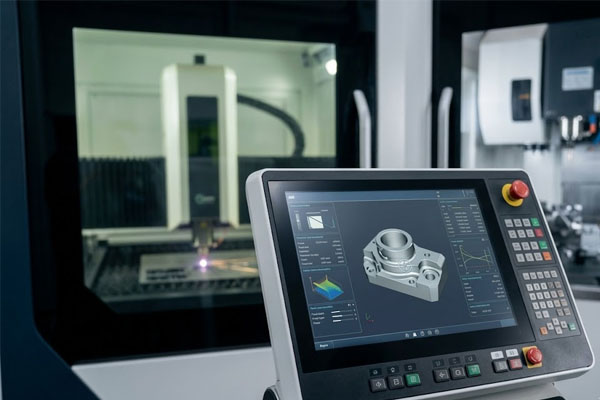
Industrial HMI Systems
Process monitoring stations, data visualization terminals, operator control interfaces—where system visibility and control depend on touch responsiveness. Operators shouldn't fight the interface; they should trust it.
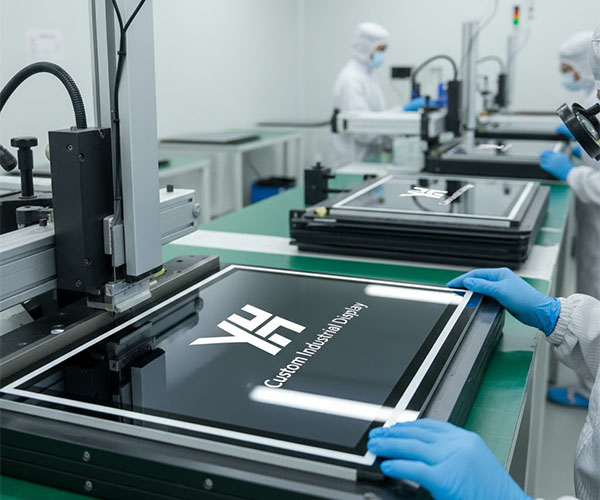
Customized Machinery
Special-purpose equipment, custom production lines, proprietary manufacturing systems—where off-the-shelf components don't fit your design. Custom touchscreens aren't exotic requests; they're often the only way to achieve proper integration.
If your equipment operates in these environments, standard consumer-grade touch won't last. Let's spec the right solution.
Discuss Your ApplicationWhat Industrial Equipment Manufacturers Actually Worry About
The touchscreen datasheet looks fine. The supplier seems capable. Then production starts, and the real issues surface. Here's what we hear from clients who switched to us after previous supplier problems.
Supplier Claims Factory But Acts as Trader
You're told you're working with a manufacturer, but engineering questions go unanswered and lead times fluctuate unpredictably. Reality: they're sourcing from someone else. When technical issues arise, there's no one with actual production knowledge to solve them. You don't find out until you need support that doesn't exist.
Approved Samples, Unstable Mass Production
Initial samples pass all tests. First production batch has 15% defect rate. Second batch performs differently from the first. The supplier insists they "followed the approved specification," but batch-to-batch consistency wasn't controlled. Your production line becomes a testing ground instead of a controlled environment.
Custom Requirements Misunderstood
You explain your integration requirements, supplier confirms understanding, then delivers something that "technically meets spec" but doesn't work in your system. They treated it as a parameter change when you needed engineering collaboration. Now you're managing rework and delays they should have prevented.
After-Sales Response Too Slow
Production issue surfaces. Email sent. Days pass. Generic response arrives. More back-and-forth. Meanwhile, your line is down or running with workarounds. Fast order-taking disappeared after the contract was signed. When you actually need technical support, there's no one with authority or knowledge to act quickly.
These aren't vendor complaints—they're operational risks disguised as supplier relationships. When your equipment depends on consistent touchscreen performance, you need a manufacturing partner who understands the stakes.
If these scenarios feel familiar, we should talk. Factory-direct means direct accountability.
Let's Discuss Better AlternativesHow We Address Each of These Issues Directly
These aren't industry problems without solutions—they're execution failures that proper factory processes prevent. Here's how direct manufacturing eliminates the gaps that cause these issues.
Real Factory with In-House Production
You communicate directly with the production facility that makes your touchscreens. Engineering questions get answered by people who run the equipment. Lead times are predictable because we control the full process. When technical issues arise, the team that designed and built your product solves them—not a sales intermediary reading from a spec sheet.
Drawing-Based Confirmation Before Sampling
Every custom requirement gets documented in technical drawings before production starts. You review and approve dimensional specs, interface types, mounting details, and connector configurations in writing. No assumptions, no "we thought you meant." When sampling begins, both sides are working from the same validated blueprint—eliminating the costly cycle of build-test-revise-repeat.
Same BOM from Sample to Mass Production
The bill of materials you approve for samples is locked and controlled through mass production. Component suppliers, touch sensor specs, glass thickness, adhesive formulations—all documented and maintained. We don't substitute materials or change processes between approval and delivery. Batch-to-batch consistency isn't a promise; it's enforced through production controls that prevent deviation.
Dedicated After-Sales Contact
You get a named technical contact who understands your project and has authority to act. Production issues get triaged immediately, not routed through support tickets and escalation queues. When problems require engineering input, your contact coordinates with our production team directly—no translation layers, no waiting for someone to "check with the factory." Response time matters when your line is down.
These aren't premium services—they're standard manufacturing practices when you work directly with a factory that controls its own processes. The question isn't whether these capabilities exist. It's whether your supplier actually possesses them.
See how factory-direct changes the equation. Let's review your specific requirements.
Start the ConversationProduct Structure & Customization Range
Industrial touchscreens aren't off-the-shelf commodities. They integrate into your equipment design. Understanding what can be customized—and why those dimensions matter—helps you specify the right solution instead of forcing a standard part into a custom application.
Size & Structure
Active area dimensions, overall footprint, bezel width, mounting method. Your equipment enclosure dictates these parameters—we engineer the touchscreen to fit your design constraints, not the other way around. Custom sizes aren't exotic requests when standard dimensions don't match your application.
Glass & Thickness
Cover glass type, thickness, surface treatment, optical properties. These choices affect durability, clarity, anti-glare performance, and impact resistance. Industrial environments require different glass specifications than consumer applications—we engineer for your operating conditions, not retail aesthetics.
Touch Technology
Resistive, capacitive, surface acoustic wave—each technology responds differently to gloved operation, contamination, and environmental conditions. Your use case determines the right approach. We match touch technology to your actual operating requirements, including multi-touch capability and activation force.
Interface Options
USB, serial, I²C, SPI, or custom protocols. Connector types, cable lengths, shielding requirements. Your control system architecture determines interface needs—we provide the connection type that integrates cleanly with your existing setup, avoiding unnecessary conversion hardware or software layers.
Customization Is Engineering Collaboration, Not Parameter Changes
Specifying a custom industrial touchscreen requires understanding how your choices interact. Glass thickness affects touch sensitivity. Touch technology determines response in your environment. Interface selection impacts system integration complexity. We don't just take orders for custom specs—we collaborate to ensure your requirements work together as a functional system.
Let's discuss what customization actually means for your equipment. Bring your technical requirements.
Talk to Our EngineersCustomization Isn't Risk—Poor Process Control Is
Custom industrial touchscreens fail when suppliers treat them as one-off variations instead of controlled engineering projects. The risk isn't customization itself—it's executing custom work without proper validation gates.
Why Customization Often Fails
Supplier accepts vague requirements without clarification, then delivers what they assumed you meant
No engineering review of feasibility—problems discovered only when samples arrive
Samples approved, but no process controls to maintain those specs in production
Component substitutions happen silently to manage costs or availability issues
How We Control Customization Risk
Requirement Confirmation
Every custom specification gets documented in technical drawings with tolerances, materials, and interface details. You review and approve before engineering work starts. Ambiguity gets resolved in writing, not discovered during production.
Engineering Review
Our production team evaluates manufacturability, identifies potential issues, and proposes solutions before sampling. If your requirements conflict—like demanding both ultra-thin glass and high impact resistance—we tell you before building something that won't work.
Sampling Validation
Initial samples undergo full testing against your requirements. Deviations get documented and resolved. You approve not just the physical sample, but the documented bill of materials and process parameters that produced it—creating the baseline for production.
Production Lock-In
Approved BOM and process specs become the controlled standard. Component substitutions require your authorization. Process changes require validation. Mass production batches are measured against the approved baseline—ensuring what you tested is what you receive.
Custom work becomes risky when suppliers skip validation steps to move faster or reduce costs. Controlled customization costs more upfront in engineering time but eliminates the expensive failures that come from uncontrolled processes.
Custom touchscreens require custom process control. Let's discuss how we maintain consistency.
Review Our ProcessCooperation Process: From Requirements to Mass Production
Industrial touchscreen projects succeed when both sides know what to expect at each stage. Here's the clear path from initial discussion to long-term supply—no surprises, no gaps.
Requirement & Drawing Review
Share your technical requirements, application details, and any existing drawings. We evaluate feasibility, identify clarifications needed, and propose initial approach. Goal: ensure we understand what you're building and why the touchscreen matters to your system.
Technical Confirmation
We produce detailed technical drawings showing dimensions, materials, interface specifications, and tolerance requirements. You review, request changes, and approve the final design document. This becomes the controlled baseline—both sides work from the same validated specification.
Sample Production
We manufacture initial samples using production-intent processes and materials. Samples undergo internal testing before shipment. You receive samples with complete documentation: BOM, process parameters, test data. No "hand-built prototypes"—samples represent what mass production will deliver.
Testing & Approval
You test samples in your system under actual operating conditions. Functional issues, integration problems, or specification mismatches get resolved through engineering discussion. When you approve samples, you're approving the documented BOM and process that produced them—establishing the production standard.
Mass Production
Production runs follow the approved BOM and process controls. Each batch undergoes inspection against baseline specifications. Deviations trigger corrective action before shipment. You receive consistent product because we maintain process discipline, not because we promise to "do our best."
Long-Term Supply
Component availability and production capability maintained throughout your equipment's lifecycle. Process changes or component updates get validated and documented. Your dedicated contact coordinates reorders, technical support, and any specification adjustments needed as your product evolves.
This process adds time and structure compared to "just send us samples." That's intentional. Controlled development prevents the expensive failures that come from rushing to production without validation gates.
Know what to expect at each stage. Let's walk through how this applies to your project.
Discuss Project TimelineQuality Control & Batch Consistency Mechanisms
Approved samples mean nothing if production batches vary. Batch consistency isn't about inspection—it's about process controls that prevent variation before it occurs. Here's how we maintain the same specifications across thousands of units.
Same Specification Control
Your approved BOM becomes the controlled document. Component suppliers, material grades, adhesive formulations, touch sensor specifications—all documented and locked. Changes require engineering review and your authorization. Substitutions don't happen silently to manage costs or availability. If a component becomes unavailable, we notify you and validate alternatives before production continues.
Batch Inspection
Every production batch undergoes functional testing and dimensional verification before shipment. Touch response, electrical performance, optical properties, mechanical tolerances—measured against the approved baseline. Out-of-spec units trigger investigation of the process, not just rejection of defective parts. We solve the root cause, not just the symptom.
Production Records
Each batch gets documented: component lot numbers, process parameters, inspection results, operator records. If quality issues surface later, we can trace back to specific materials and conditions. This isn't just paperwork—it's the ability to identify when variation entered the process and prevent recurrence.
Defect Rate Management
We track defect rates across batches and investigate trends before they become problems. Rising touch sensitivity variation? Increasing optical defects? These patterns trigger process review and corrective action. Consistent quality comes from monitoring process health, not just inspecting finished goods.
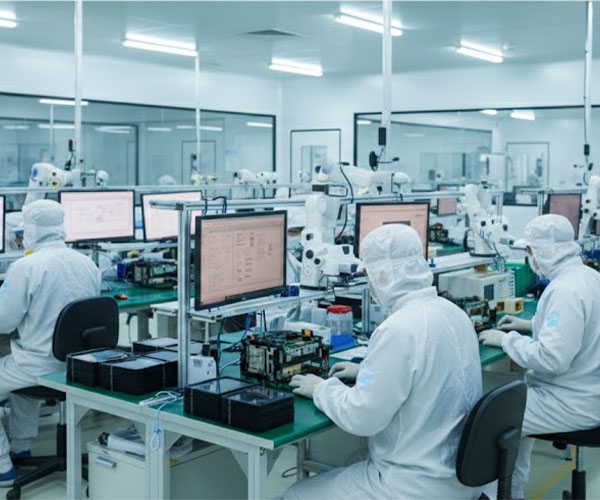
Production Workshop
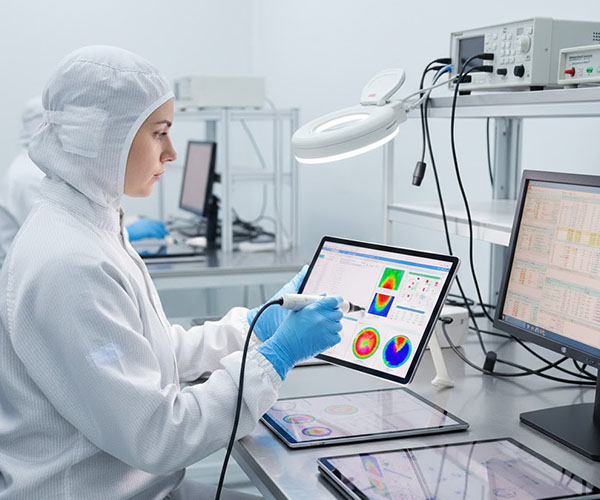
Quality Control & Testing
The difference between "factory" and "real factory" appears here. Anyone can inspect finished goods. Actual manufacturers control the processes that produce consistent results—and can prove it through documented procedures and batch records.
Batch consistency requires controlled processes, not just quality promises. Let's discuss what that means.
Review Our QC ProcessWho We Work Best With
Not every touchscreen project is a good fit for factory-direct collaboration. Here's who benefits most from our approach—and who should look elsewhere.
Good Fit
Industrial Equipment Manufacturers
You design and build machinery that requires reliable touch interfaces. You need touchscreens that integrate into your system design and maintain performance throughout the equipment lifecycle.
OEM / ODM Brands
You source components for branded equipment sold to end users. Batch consistency matters because inconsistent touchscreens create warranty issues and damage your reputation with customers.
Long-Term Production Programs
Your equipment will be in production for 3+ years. You need a supplier who maintains component availability, process documentation, and engineering support throughout that timeline.
Poor Fit
One-Time Low-Price Procurement
If your priority is minimizing upfront cost on a single purchase with no repeat orders expected, trading companies can find lower prices by sourcing from multiple factories without process controls.
No Drawings, No Specifications
If you can't provide technical requirements or drawings, we can't validate manufacturability before production. Custom work requires documented requirements—"make it like this sample" isn't enough to ensure consistent results.
This isn't about being selective for ego—it's about matching capabilities to requirements. If you need batch consistency, engineering support, and long-term supply, factory-direct is the right approach. If you need the absolute lowest price on a one-time purchase, there are better options.
If you're building industrial equipment for long-term production, let's talk about how we support that.
See If We're a MatchWhy Long-Term Customers Stay with Us
Repeat customers don't stay because of price—they stay because the total cost of working with us is lower than constantly managing supplier problems. Here's what matters over years, not just the first order.
Stability Over Years
Touchscreen performance doesn't degrade over the product lifecycle. Components stay available. Process controls remain enforced. The touchscreens you order in year three match the specs you approved in year one—no silent "improvements" that change behavior.
Predictable Delivery
Lead times you can plan around. Production schedules we actually meet. When delays happen, you know immediately—not the day before shipment. Your production planning doesn't need buffer inventory to compensate for supplier unreliability.
Clear Communication
Technical questions get answered by people who understand your application. No sales-engineering translation layer. When problems arise, the conversation is about solving them, not deflecting blame. You know who to contact and they actually respond.
Factory Accountability
When batch issues occur, we own them because we produced them. No finger-pointing at subcontractors. No "our supplier changed something." Direct manufacturing means direct responsibility for quality, delivery, and performance.
Short-term price optimization versus long-term supply stability. Choose which matters more to your business.
Build a Long-Term PartnershipIndustrial Touchscreens Are Only As Reliable As the Factory Behind Them
Engineering capability, process control, and long-term accountability matter more than any specification on a datasheet.
Production Capability & Factory Overview
Claims are easy. Evidence is harder. Here's what factory-direct manufacturing actually looks like—not marketing photos, but the real facilities that produce your touchscreens.
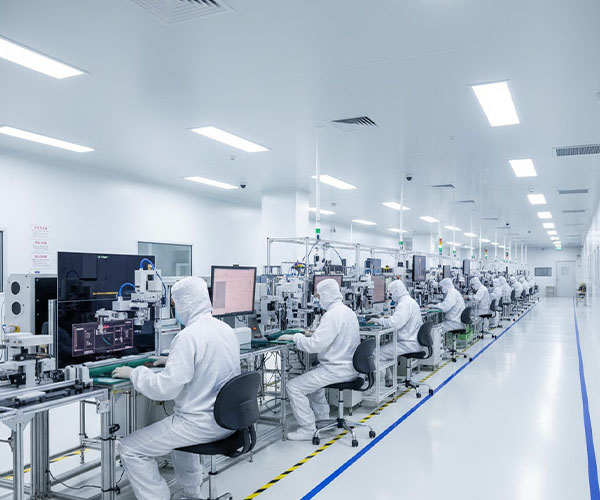
Production Workshop
3,500 m² manufacturing facility with controlled environment for touchscreen assembly. This is where your custom specifications become physical products—not a showroom, but actual production space with the equipment and personnel to execute controlled processes.
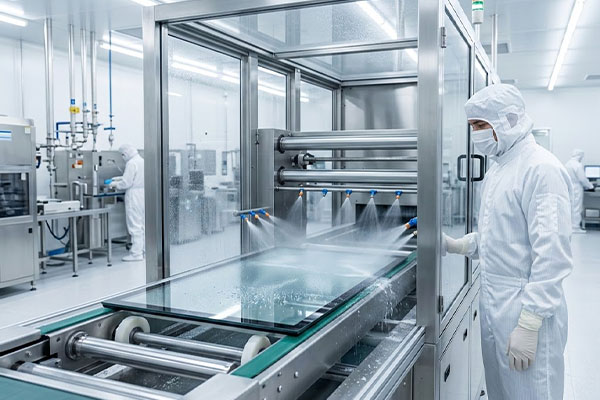
Production Lines
Multiple assembly lines for different touchscreen technologies and sizes. Dedicated equipment for glass cutting, sensor lamination, interface integration, and final assembly. Capacity to handle both small custom runs and ongoing mass production programs.
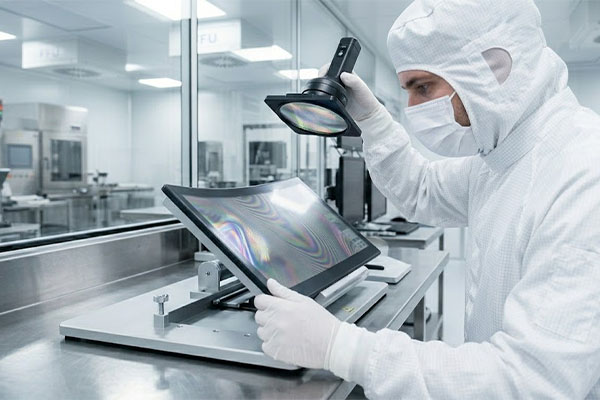
QC & Testing Area
Dedicated quality control stations with testing equipment for touch response verification, electrical performance validation, optical inspection, and environmental stress testing. Every batch undergoes documented inspection before shipment approval.
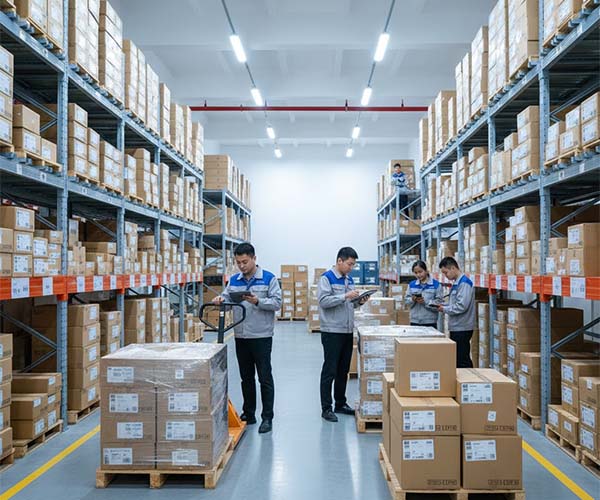
Packaging & Shipment
Protected packaging designed for industrial touchscreen protection during international shipping. Custom foam inserts, ESD protection, moisture barriers—engineered to deliver your product in the same condition it left QC inspection.
Certifications & Standards
Factory capabilities separate real manufacturers from trading companies. We can prove what we claim.
Request Factory InformationFrequently Asked Questions
Common technical questions from industrial equipment manufacturers evaluating control touchscreen solutions.
Technology Resistive or capacitive—which touch technology is right for industrial control panels?
It depends on your operating environment. Resistive touchscreens respond to any physical pressure—gloved hands, stylus, or even a fingernail—making them ideal for environments where operators wear heavy gloves or where liquid contamination is common. Capacitive touchscreens offer higher clarity and multi-touch capability, better suited for clean control rooms or HMI dashboards where precision and fast response matter more. We'll recommend the right technology once we understand your application conditions.
Size & Spec What size range and panel configurations do your industrial touchscreens cover?
We manufacture industrial control touchscreens from 4.3" up to 21.5", covering standard HMI sizes and custom non-standard formats. Panel configurations include front-panel flush mount, open-frame, and bezel-integrated designs. Glass thickness, cutout dimensions, connector positions, and overlay printing are all customizable to match your enclosure design. If your equipment requires a non-standard aspect ratio or unusual mounting geometry, we handle that through our custom engineering process.
Environment Can your touchscreens operate reliably under vibration, EMI, and wide temperature ranges?
Yes. Our industrial control touchscreens are engineered for operating temperatures from -20°C to +70°C, mechanical vibration resistance per IEC standards, and EMI/RFI shielding to prevent phantom inputs from electrical noise common in machine environments. We select materials, ITO coating methods, and controller parameters specifically for industrial conditions—not adapted from consumer-grade components. If your environment has specific certification requirements such as IP65 sealing or UL compliance, we discuss those during the engineering review phase.
Interface What controller interfaces and output protocols do your touchscreens support?
Standard output interfaces include USB HID, RS-232, and RS-485, covering the majority of industrial PLC and embedded controller integrations. For systems requiring specific communication protocols or custom connector configurations, we work with your electrical drawings to match the interface to your control architecture. The controller selection is part of the technical confirmation process—we don't assume a standard interface fits every application without reviewing your system requirements first.
Lifespan What is the expected service life of your industrial control touchscreens?
Our resistive touchscreens are rated for a minimum of 1,000,000 touch activations at a single point and 50,000+ hours of continuous operation under normal industrial conditions. Capacitive panels are rated for 100,000,000+ touch cycles. These figures are validated through accelerated life testing, not extrapolated from supplier datasheets. More importantly, we maintain component availability and documented production records for the full lifecycle of your equipment—typically 10–15 years—so replacement units match your original specification exactly.
Customization Can you print our logo, add anti-glare coating, or customize the glass surface finish?
Yes. Surface customization options include silk-screen logo and button printing, anti-glare (AG) coating for high-ambient-light environments, anti-fingerprint (AF) coating for cleanliness-critical applications, and hardened glass upgrades for impact resistance. Decorative printing colors, transparency levels, and overlay graphics are all defined in the technical drawing and locked into the approved BOM—so every production batch matches your approved sample exactly. These are standard engineering options, not special requests.
Have a technical requirement we didn't cover? Let's discuss your specific application.
Ask a Technical QuestionDiscuss Your Industrial Touchscreen Requirements
Tell us about your application and current touchscreen challenges. We'll respond with a direct technical assessment—no generic quotes, no sales pitch.
Factory-direct response from engineering team, not a sales intermediary
Technical feasibility review based on your actual requirements
Custom spec documentation and sampling process explained upfront
Typical reply within 1 business day
Send Your Requirements