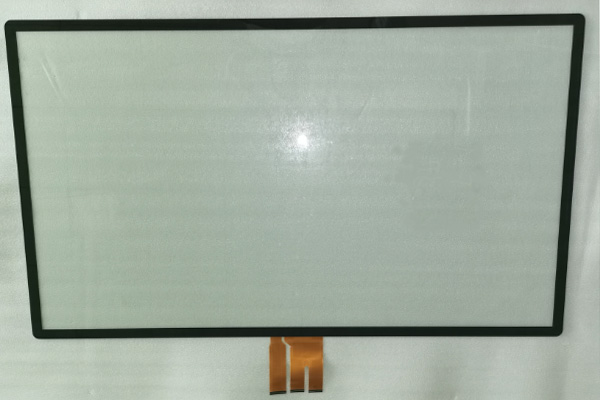
o procure a high-quality touchscreen cover plate, you must prioritize material hardness, precision CNC finishing, and advanced surface treatments to ensure device longevity. Many procurement managers face the constant headache of sourcing components that look good on paper but fail under the stress of industrial use or medical cleaning cycles. This inconsistency leads to cracked screens, costly field repairs, and a significant blow to your brand’s reputation for reliability. By following a structured selection framework, you can secure a durable Touchscreen Cover Plate that meets your exact mechanical and optical specifications while optimizing your project’s total cost of ownership.
Which Glass Substrates Offer the Best Durability for Your Project?
You should choose aluminosilicate glass for high-impact environments or soda-lime glass for cost-sensitive, light-duty applications. When you initiate the procurement of a Touchscreen Cover Plate, the material selection is the foundation of your device’s durability. You must choose a glass substrate that balances impact resistance with optical clarity to meet the rigors of your specific application environment. For industrial touch screens , the choice of substrate determines how well the unit survives accidental drops or mechanical stress.
Selecting Hardness Ratings for Longevity
You should look for glass that offers a Mohs hardness rating between 6 and 9. This ensures that the surface can withstand daily contact with abrasive materials without compromising the visual integrity of the underlying display.
Here is the kicker:
- Soda-lime glass is economical for standard indoor kiosks.
- Aluminosilicate glass provides superior flexibility and strength for rugged gear.
- High Mohs ratings prevent micro-scratches that cloud display visibility.
Key Takeaway: Material choice dictates the lifespan of your interface; prioritize hardness and chemical composition over initial cost savings.
| Feature | Soda-Lime Glass | Aluminosilicate Glass | |
|---|---|---|---|
| Hardness (Mohs) | 6 – 7 | 7 – 9 | |
| Impact Resistance | Moderate | High | |
| Cost Profile | Economical | Premium |
Selecting the right substrate ensures your hardware remains functional in demanding field conditions.
How Do You Select the Ideal Glass Thickness for Rugged Use?
The ideal glass thickness ranges from 0.7mm for sleek handhelds to 6.0mm for high-impact industrial terminals requiring maximum protection. Determining the correct thickness for your Touchscreen Cover Plate is a balancing act between aesthetics and protection. You need to consider whether the device will be handheld, where weight is a factor, or mounted in a public kiosk where vandalism resistance is paramount. Standard thicknesses typically serve distinct mechanical purposes based on the sector.
Balancing Weight and Impact Resistance
If your application requires both portability and toughness, you should specify chemically strengthened glass. This allows you to use thinner profiles without sacrificing the break resistance of thicker, unstrengthened glass.
But there is a catch:
- Slim profiles (0.7mm – 1.1mm) are best for mobile sensitivity.
- Medium profiles (1.8mm – 3.0mm) suit medical environments.
- Heavy profiles (over 3.0mm) are necessary for “ball drop” safety tests.
Key Takeaway: Align glass thickness with the expected environmental stress to optimize the weight-to-durability ratio.
| Industry | Recommended Thickness | Primary Benefit | |
|---|---|---|---|
| Consumer Electronics | 0.7mm – 1.1mm | High Sensitivity / Low Weight | |
| Medical Devices | 1.1mm – 2.0mm | Chemical Resistance / Clarity | |
| Industrial / Marine | 3.0mm – 6.0mm | Maximum Impact Protection |
Precision thickness control is vital for maintaining touch sensitivity while providing a robust protective barrier.
Why Is Chemical Strengthening Essential for Industrial Displays?
Chemical strengthening is essential because it creates a surface compression layer that prevents micro-cracks from spreading into catastrophic fractures. Every Touchscreen Cover Plate intended for professional use should undergo a chemical strengthening process to enhance its structural integrity. Without this treatment, your display is significantly more vulnerable to the shocks and vibrations common in custom touch screen manufacturing . The process involves an ion-exchange bath that replaces smaller ions with larger ones to “stuff” the surface.
Understanding the Ion-Exchange Process
You should specify the depth of layer (DOL) to ensure the strengthening meets your specific durability requirements. This treatment improves both the ability to withstand a direct blow and the ability to bend without snapping.
Make no mistake:
- Strengthening must occur after all CNC cutting and drilling.
- It significantly increases the flexural strength of the glass.
- Chemically treated glass breaks into smaller, safer fragments.
Key Takeaway: Specify the depth of the ion-exchange layer to ensure the strengthening meets your specific durability requirements.
| Metric | Standard Glass | Chemically Strengthened | |
|---|---|---|---|
| Surface Compression | Low | High (Up to 900 MPa) | |
| Break Pattern | Large, Sharp Shards | Smaller, Safer Fragments | |
| Scratch Resistance | Minimal | Significant |
This strengthening process is the most effective way to extend the service life of high-traffic touchscreen devices.
Which Surface Coatings Maximize Outdoor Sunlight Readability?
Anti-Reflective (AR) and Anti-Glare (AG) coatings are the most effective way to maximize readability in bright outdoor or high-glare environments. The optical performance of your Touchscreen Cover Plate is largely determined by the specialized coatings applied to its surface. You must evaluate the lighting conditions where the device will be used—be it bright sunlight or harsh overhead fluorescent office lights. These coatings do not just improve visibility; they also impact the tactile feel and cleanliness of the interface.
Optimizing AR and AG Treatments
AG coatings use a specialized etching process to diffuse reflected light, which is essential for vehicle displays. AR coatings involve vacuum-depositing layers of metal oxides to increase light transmission and make the display appear more vibrant.
Here is the secret:
- AG coatings eliminate “mirroring” in bright environments.
- AR coatings improve contrast by reducing internal reflections.
- AF (Anti-Fingerprint) coatings keep the surface clear of oils.
Key Takeaway: Combine AG and AF coatings to create a professional, low-maintenance interface that performs well under varied lighting.
| Coating Type | Primary Use Case | User Benefit | |
|---|---|---|---|
| Anti-Glare (AG) | Outdoor / Industrial | Reduces reflections and glare | |
| Anti-Reflective (AR) | High-End Displays | Improves contrast and color | |
| Anti-Fingerprint (AF) | Touch-Intensive Apps | Easier cleaning / Smooth feel |
Appropriate coating selection transforms a standard display into a high-performance professional tool for any lighting condition.
How Can Silk Printing Protect Your Brand Identity Over Time?
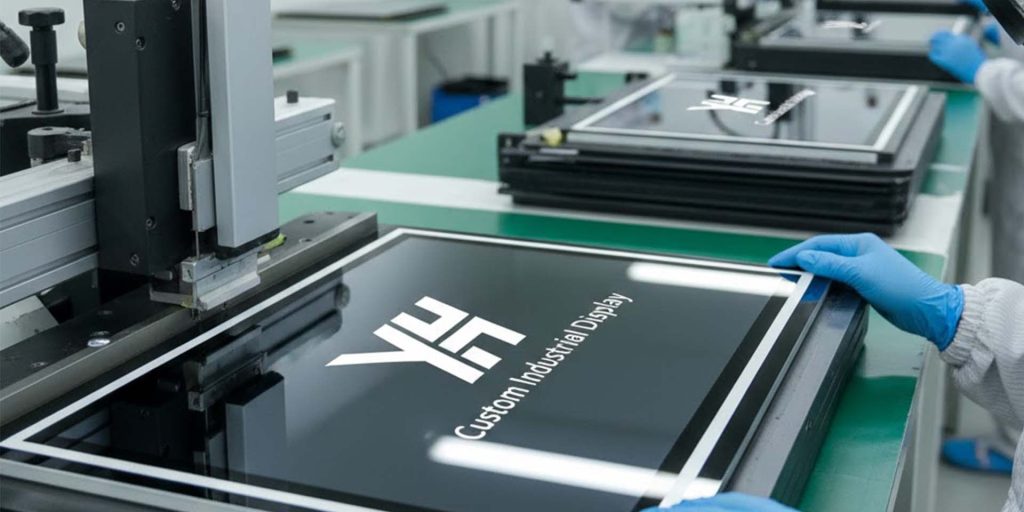
Sub-surface silk printing protects your brand identity by sealing logos and icons under the glass, where they are shielded from abrasion. A Touchscreen Cover Plate serves as a prime real estate for your corporate identity and functional labeling. By utilizing high-precision printing, you can integrate logos and border designs directly onto the underside of the glass. For medical touch displays , this ensures that branding remains visible even after repeated sterilization with harsh chemicals.
Choosing Opaque and Ceramic Inks
You can choose opaque inks to hide internal components or ceramic inks that are fused into the glass at high temperatures. These inks are resistant to chemicals, UV radiation, and mechanical wear, making them ideal for outdoor applications.
The reality is:
- Sub-surface printing prevents graphics from peeling or fading.
- Dead-front icons can be hidden until they are backlit.
- High-precision alignment ensures your logo fits the display perfectly.
Key Takeaway: Utilize sub-surface silk printing to create a permanent, professional brand presence that never fades or peels.
| Feature | Standard Ink | Ceramic Ink | |
|---|---|---|---|
| UV Resistance | Good | Excellent | |
| Chemical Resistance | Moderate | High | |
| Finish Options | Matte / Gloss | Matte / Gloss |
Investment in durable printing techniques guarantees that your brand looks professional for the entire lifecycle of the product.
What Quality Control Protocols Should Your Manufacturer Use?
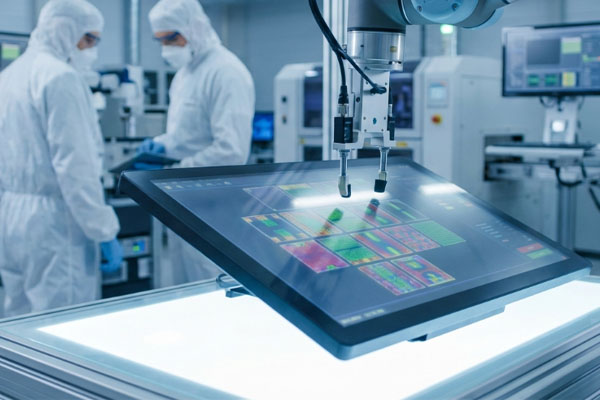
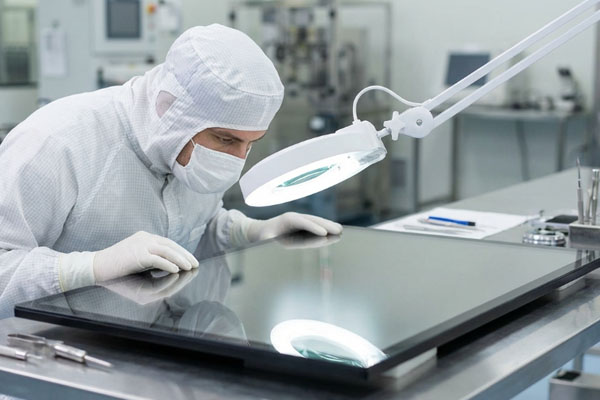
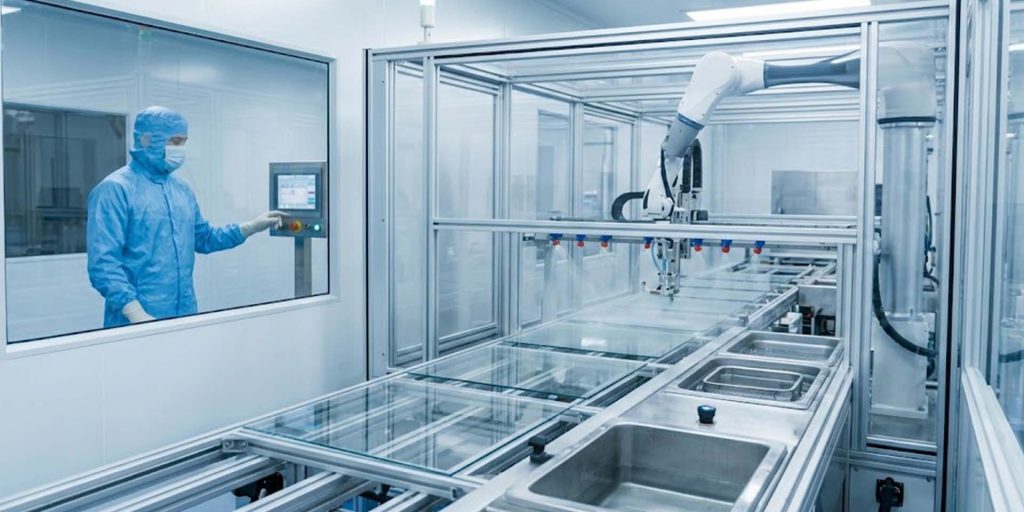
Your manufacturer should use 100% visual inspection and ISO-certified cleanroom environments to ensure every unit is free of dust and micro-fissures. Your choice of manufacturer for the Touchscreen Cover Plate must be based on their ability to maintain a clean and controlled environment. Even a single speck of dust trapped during the lamination process can result in a rejected unit. You should look for suppliers that employ multi-stage quality control and rigorous cleaning protocols.
Cleanroom Standards and Inspection
Production should occur in a certified cleanroom environment to minimize the presence of airborne particles. Smooth edges are not just about aesthetics; CNC grinding removes micro-fissures that can act as stress points and cause cracking.
Believe it or not:
- 100% manual inspection identifies defects automated systems might miss.
- Ultrasonic cleaning baths remove all traces of processing oils.
- Batch traceability allows you to track material quality over time.
Key Takeaway: Audit your supplier’s cleanroom certifications and inspection workflows to ensure consistent batch-to-batch quality.
| Process Step | Standard Requirement | Procurement Target | |
|---|---|---|---|
| Cleaning | Ultrasonic Bath | Multi-Stage Deionized Water | |
| Inspection | Spot Checks | 100% Manual & Automated | |
| Environment | General Factory | ISO Class 5-7 Cleanroom |
Strict adherence to quality protocols is the only way to avoid the high costs associated with product returns.
Why Source Directly from the Factory Instead of Trading Firms?
Direct factory sourcing provides 20-30% cost savings and direct access to engineers who can optimize your design for manufacturing. When you source your Touchscreen Cover Plate directly from the manufacturer, you gain a level of transparency and control that is impossible to achieve through intermediaries. Dealing with the factory allows you to speak directly with the people building your components. For vehicle touch screens , this direct communication is vital for managing complex EMI shielding and vibration requirements.
Direct Engineering and Cost Control
Factory-direct access means you can collaborate on design-for-manufacturing (DFM) improvements to shorten development cycles. A direct manufacturer also guarantees that the materials used for samples are the exact same ones used for mass production.
Think about this:
- Trading companies often switch suppliers to increase their margins.
- Direct engineers provide immediate support for technical issues.
- Bypassing the middleman reinvests funds into better glass coatings.
Key Takeaway: Direct factory relationships offer better technical support, lower costs, and long-term supply chain stability.
| Factor | Factory-Direct | Trading Company | |
|---|---|---|---|
| Technical Support | Immediate & Expert | Delayed & Generic | |
| Cost | Baseline Pricing | Markup Applied | |
| BOM Control | Absolute | Variable |
Establishing a direct link to the production floor eliminates the risks of “quality drift” common in tiered supply chains.
How Does Optical Bonding Improve Your Display’s Performance?
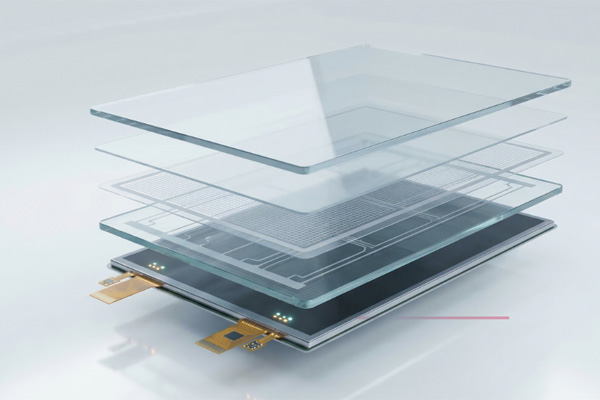
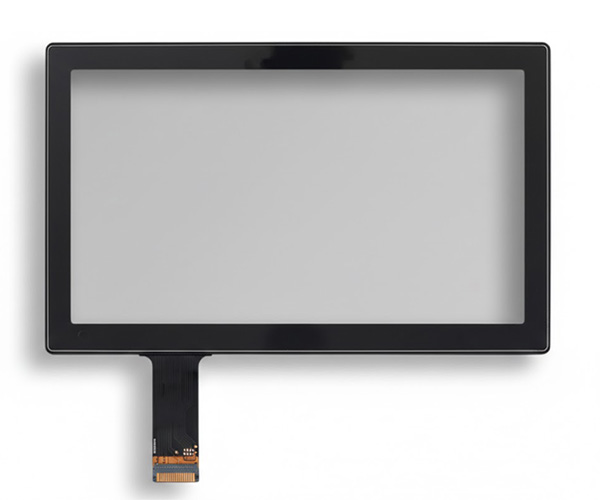
Optical bonding improves performance by filling the air gap between the glass and the display with resin, which reduces reflections and increases ruggedness. The way you integrate your Touchscreen Cover Plate with the underlying LCD or OLED panel is just as important as the glass itself. This technique significantly reduces internal reflections and improves the overall ruggedness of the unit. Full optical lamination creates a solid-state unit that is immune to internal fogging and far more resistant to mechanical shock.
Eliminating the Internal Air Gap
By matching the refractive index of the glass and the adhesive, optical bonding reduces light reflection by up to 99%. This makes your display readable even in direct sunlight, a critical requirement for outdoor kiosks or marine gear.
Here is the kicker:
- The resin acts as a shock absorber for the fragile LCD panel.
- It prevents moisture and dust from entering the display stack.
- Optical bonding provides much better thermal dissipation in hot climates.
Key Takeaway: Investment in optical bonding is essential for any device used in outdoor, high-vibration, or fluctuating-temperature environments.
| Metric | Perimeter (Air Gap) | Optical Bonding | |
|---|---|---|---|
| Reflectivity | ~13% | <1% | |
| Sunlight Readability | Poor | Excellent | |
| Shock Resistance | Low | High |
This process is the gold standard for creating high-performance displays that thrive in the most challenging environments.
What Compliance Standards Are Necessary for Global Export?
Your components must meet CE, FCC, and RoHS standards to ensure legal compliance and safety in international markets. Sourcing a Touchscreen Cover Plate internationally requires a thorough understanding of compliance and logistics to avoid costly delays at the border. You must ensure that your manufacturer is well-versed in global standards and has the infrastructure to package fragile glass safely. Proper compliance is not just a legal hurdle; it is a mark of quality for your custom touch screen manufacturing .
Certifications and Safe Logistics
You should insist on specialized vacuum packaging and shock-resistant crating to prevent breakage during sea or air freight. Work with a partner who understands the correct HTS codes for glass components to save on import duties.
But there is a catch:
- Without RoHS documentation, your product may be seized by customs.
- Poor packaging can lead to a 5% to 10% loss due to breakage.
- Correct classification prevents unexpected tariff increases during transit.
Key Takeaway: Verify all compliance certifications and shipping protocols before placing a mass production order to ensure a smooth supply chain.
| Requirement | Detail | Verification Method | |
|---|---|---|---|
| Regulatory | CE / RoHS / FCC | Request Certificates | |
| Fragility | Export-Grade Crating | Photos of Packaging | |
| Traceability | Batch Numbers | Inspection Reports |
Thorough documentation and robust packaging are the final steps in a successful international procurement strategy.
How Do You Manage the Timeline from Prototype to Production?
You should allocate 2-3 weeks for sampling and 4-6 weeks for mass production to ensure all quality checks and engineering adjustments are completed. Establishing a realistic timeline is the final step in your Touchscreen Cover Plate procurement strategy. Many projects fail because they underestimate the time required for engineering adjustments and quality testing. A structured approach allows you to move from a concept drawing to a mass-produced component with minimal friction and risk.
Milestones for Scalable Success
Expect the initial sampling phase to include rigorous testing of mechanical fit and optical performance in your prototype housing. Before jumping to 100,000 units, you should conduct a pilot run of 50 to 100 units to identify any assembly issues.
Here is the reality:
- Engineering adjustments often take longer than the actual fabrication.
- Pilot runs are the best insurance against mass production failures.
- Rapid prototyping allows for quick design iterations without high costs.
Key Takeaway: Build a buffer into your timeline for pilot-run testing to ensure your mass-produced units are perfect from day one.
| Phase | Duration | Primary Goal | |
|---|---|---|---|
| Engineering | 1 Week | Finalize Drawings/Specs | |
| Sampling | 2-3 Weeks | Functional Verification | |
| Mass Production | 4-6 Weeks | Global Fulfillment |
A well-managed timeline ensures that your product launch remains on schedule without sacrificing component quality.
Procurement Frequently Asked Questions
Can I customize the shape and hole cutouts for my project?Yes, modern CNC glass processing allows for complex shapes and internal cutouts. This flexibility ensures the glass fits perfectly with cameras, sensors, or specialized mounting hardware.
What’s the best way to prevent the glass from shattering into dangerous pieces?You should request chemically strengthened glass or the application of a safety film. This ensures that if the glass does break, the pieces stay bonded together, preventing user injury.
How do I know if the glass is hard enough for my application?Check the Mohs hardness rating and request a scratch test report from your supplier. A rating of 7 or higher is typically sufficient for most industrial and medical environments.
What’s the best way to handle small-batch procurement for a niche project?Look for a manufacturer that offers flexible MOQs starting at 50 to 100 units. This allows you to access professional-grade glass without the burden of massive inventory requirements.
How do I know if optical bonding is worth the extra cost?Evaluate the ambient lighting conditions and vibration levels of your application environment. If the device is used outdoors or in high-vibration settings, the performance gains are usually worth the investment.
Procuring high-performance glass components should never be a gamble that results in brittle displays or optical distortion. By selecting the right substrate, specifying chemical strengthening, and insisting on direct factory transparency, you eliminate the risks of quality drift and supply chain delays. We provide the engineering expertise and precision manufacturing needed to bring your most demanding designs to life with consistent reliability. Our commitment to quality, customization, and factory-direct support ensures that your technology is protected by the best possible interface. To start your custom project or request a high-precision sample, contact us today.